
Plaksha University Aims To Launch Metaverse Labs As India Bats For Web 3.0
Key Takeaways
- Preparing students for emerging technologies: Plaksha University aims to integrate Web 3.0 and the Metaverse into education to enhance learning and prepare students for future technology careers.
- Building strong technical foundations: The university focuses on developing advanced computing skills that can prepare students for fields such as AI and machine learning.
- Expanding interdisciplinary technology education: Alongside its undergraduate programs, Plaksha plans to expand its professional offerings into areas such as digital transformation, cybersecurity, and semiconductor technology.
- Bridging academia and industry: Partnerships with organizations such as HRS are intended to create opportunities for internships, research collaborations, and industry exposure, while acknowledging that widespread adoption of emerging technologies will take time.
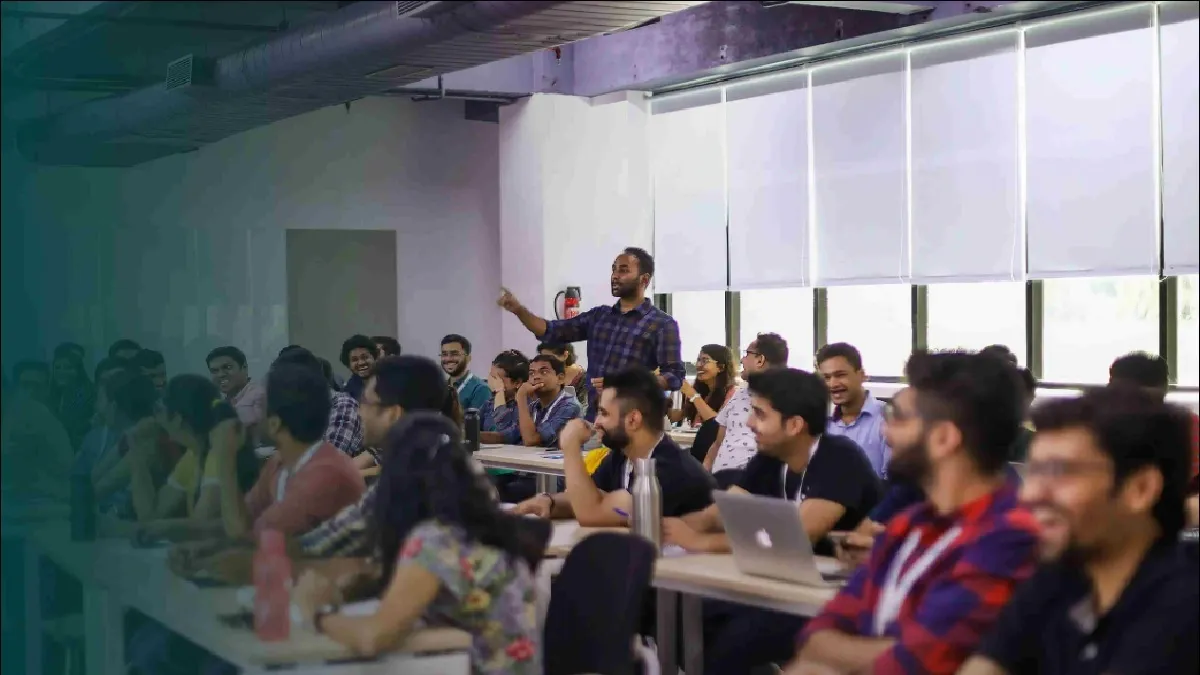
As technology in education appears to have revolutionised the sector in India, newer innovations such as Web 3.0 and Metaverse are touted to be the next big thing in the industry. It is believed that they will significantly uplift the way students access education across the country. Plaksha University, in Mohali, Punjab aims to incorporate these technologies into the courses that they offer to enhance the student experience as well as to make them future ready. “Our goal is to reshape tech education in the country to make it more multidisciplinary” Rudra Pratap, professor, founding vice chancellor, Plaksha University, said.
According to Pratap, Plaksha University will soon launch Metaverse labs in the university to teach students advanced tech-based skills. “Students who study technology require a special kind of computing skills, which currently is lacking in them. Therefore, our aim at Plaksha is to teach these skills to students to create a strong foundation for them. This will help them to find jobs in fields such as machine learning (ML), artificial intelligence (AL), among others,” he said.
Plaksha University offers four undergraduate majors which includes computer science and AI, biosystems engineering, robotics and autonomous systems, and data sciences in economics and business. Apart from this, the university also offers a one year professional master’s programme named Tech leaders Programme (TLP) that it runs in association with University of California, Berkeley. The university plans to expand the programme to other areas such as digital transformation, cyber security, and semiconductor technology. Along with this, the university also offer Doctor of Philosophy (PhD) with currently 10 students enrolled with them.
Further, Plaksha University has signed a memorandum of understanding (MoU) with a Germany based data science company, HRS. According to Pratap the company has hired interns from the university’s TLP master’s programme. He further claimed that HRS will soon launch its office in Mohali. Under the MoU, the university aims to collaborate on research projects with HRS and help their students to learn from professionals from the field.
Pratap highlighted that there is a lack of curriculum development around Web 3.0 and the Metaverse in the country, so new graduates joining the workforce have little knowledge. “There is no doubt about the fact that we need to revamp our education system and curriculum to teach students skills in accordance with the demand in the industry. However, the National Education Policy (NEP) 2020 has paved the way to bridge this gap,” he said.
Meanwhile, talking about the challenges of implementing these technologies in India and whether the country is ready for this technological boom, Pratap said that adaptation to Web 3.0 and Metaverse will take time for people. “The hype around such innovations is natural, but absorbing it in our system will take some time, it won’t happen overnight,” he said. Moreover, the computation cost for setting these technologies will be high, he added.
About the Author
The Content Team at Plaksha University leads storytelling, blog and website content, social media, newsletters and event coverage and press and media coverage. The team writes about the University's initiatives, academic programs, research, innovation, and the impact created by the students, faculty, and collaborators and in the process offer readers a closer look at the people and ideas shaping the future of technology education.