Center for Sustainable and Precision Agriculture
Driving high productivity and climate-resilient, sustainable agriculture.
About us
The Center for Sustainable and Precision Agriculture develops affordable precision agriculture technologies to empower Indian agriculture with data driven farming. CSPA envisions increasing farm yields while ensuring agricultural sustainability. Combining satellite and drone based geospatial technology solutions with cutting edge AI, the center serves to enhance food security and reduce operational costs for farmers. This will be achieved by generating timely advisories in local language and context, building robotic systems for monitoring and weeding services, developing environmentally friendly bio-pesticides and bio-sensors and commodity price prediction enabling farmers to identify the right time to harvest for maximum economic benefit. CSPA is built to transform the Indian agriculture ecosystem, enhancing farm yields, and striving to impact countless farmers.
Three pillars of CSPA
Enhancing food security
Using geospatial AI and precision monitoring to improve yields and detect crop health issues early.
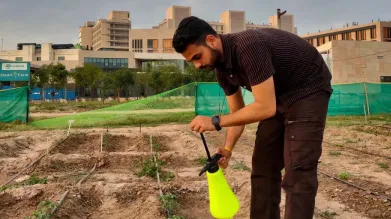
Improving agricultural sustainability
Developing biotech solutions, bio-additives and precision nutrient application to reduce pesticide and fertilizer overuse.
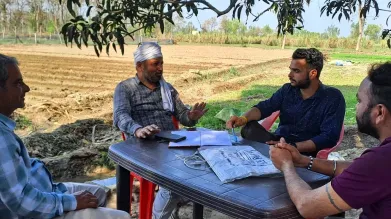
Uplifting farmer livelihoods
Lowering cultivation costs with affordable IoT and automation, ensuring access for small and marginal farmers.
Vision
At Plaksha University, we believe the future of Indian agriculture will be shaped by data- driven, affordable and farmer-centric innovations. The Center for Sustainable and Precision Agriculture (CSPA) was founded to tackle some of the country’s most urgent challenges – food insecurity, climate change, soil degradation and rural poverty – through bold thinking and on-ground action.
We are committed to working at the intersection of academia, industry, government and rural communities, turning laboratories into living farms, research into real-world solutions and ideas into impact.
We empower Indian agriculture with affordable precision technologies and data driven farming, aiming to double farm yields while ensuring agriculture sustainability and reducing operational costs. We strive to impact over 1 million farmers over the next decade.
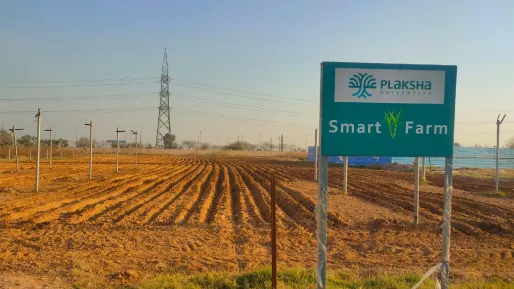
Community impact
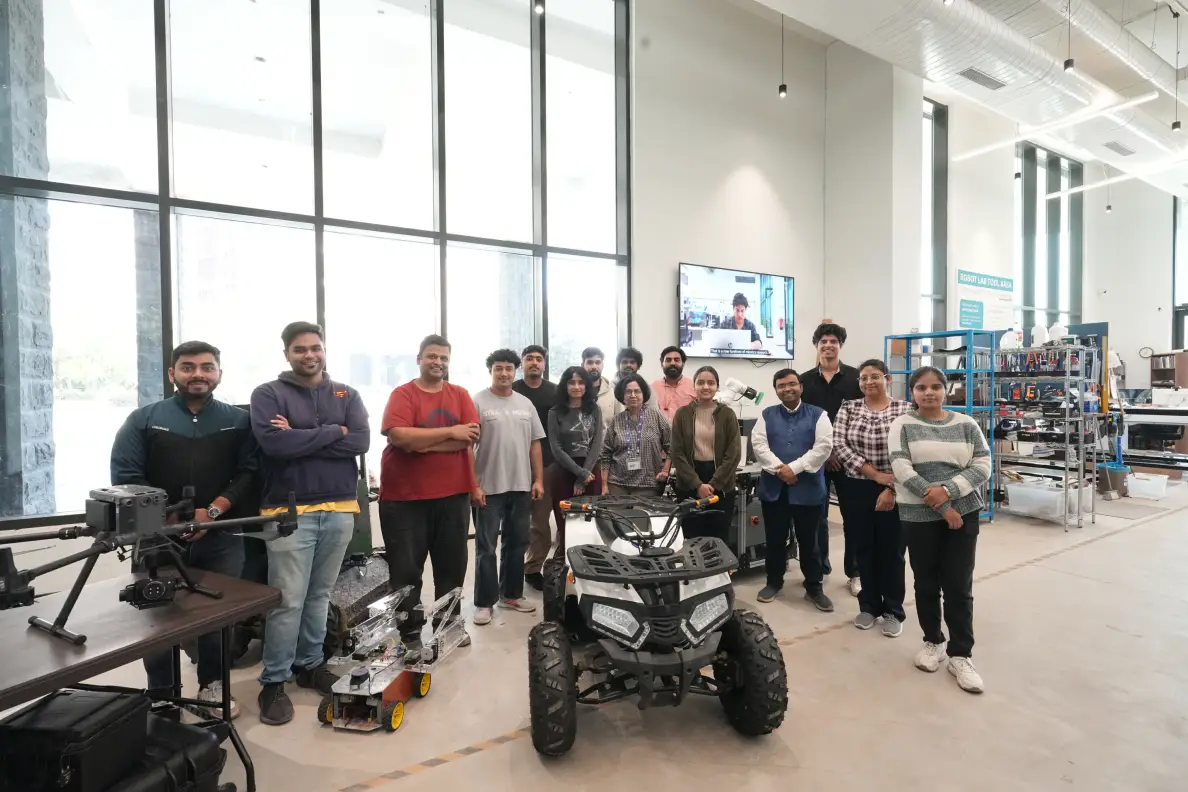
At the undergraduate level, students are integrating academic learning with real-world applications. They have been actively engaged in projects on hyperspectral imaging, autonomous systems, stubble burning prediction, advancing AI, computer vision and agritech innovation.
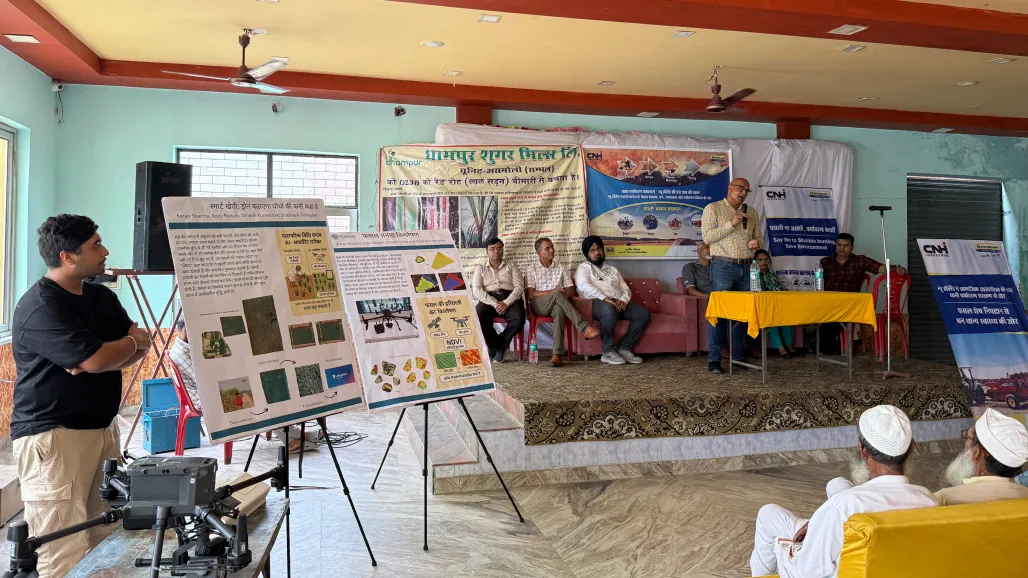
Research Innovation Impact and Collaboration
Technology Translation
CSPA supports agritech entrepreneurs by providing expertise, facilities and mentorship.
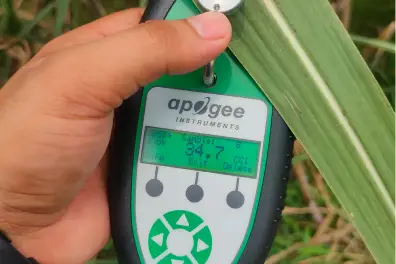
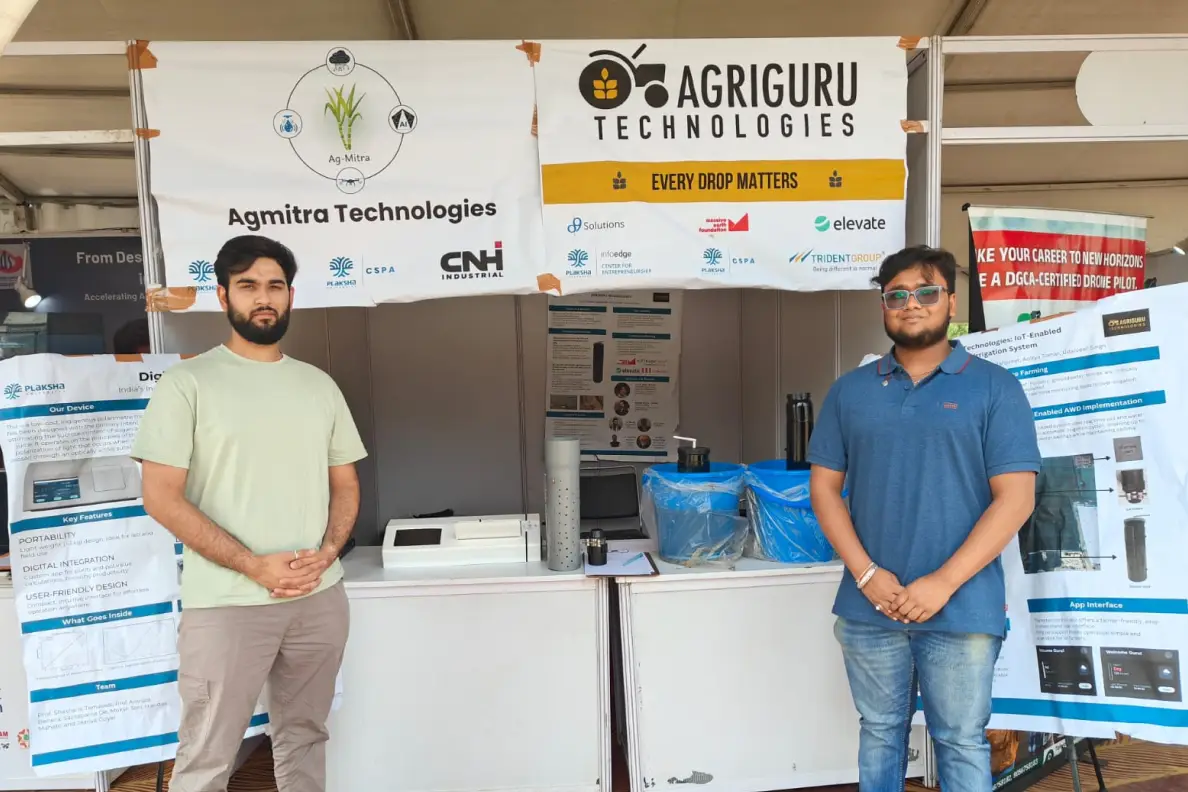
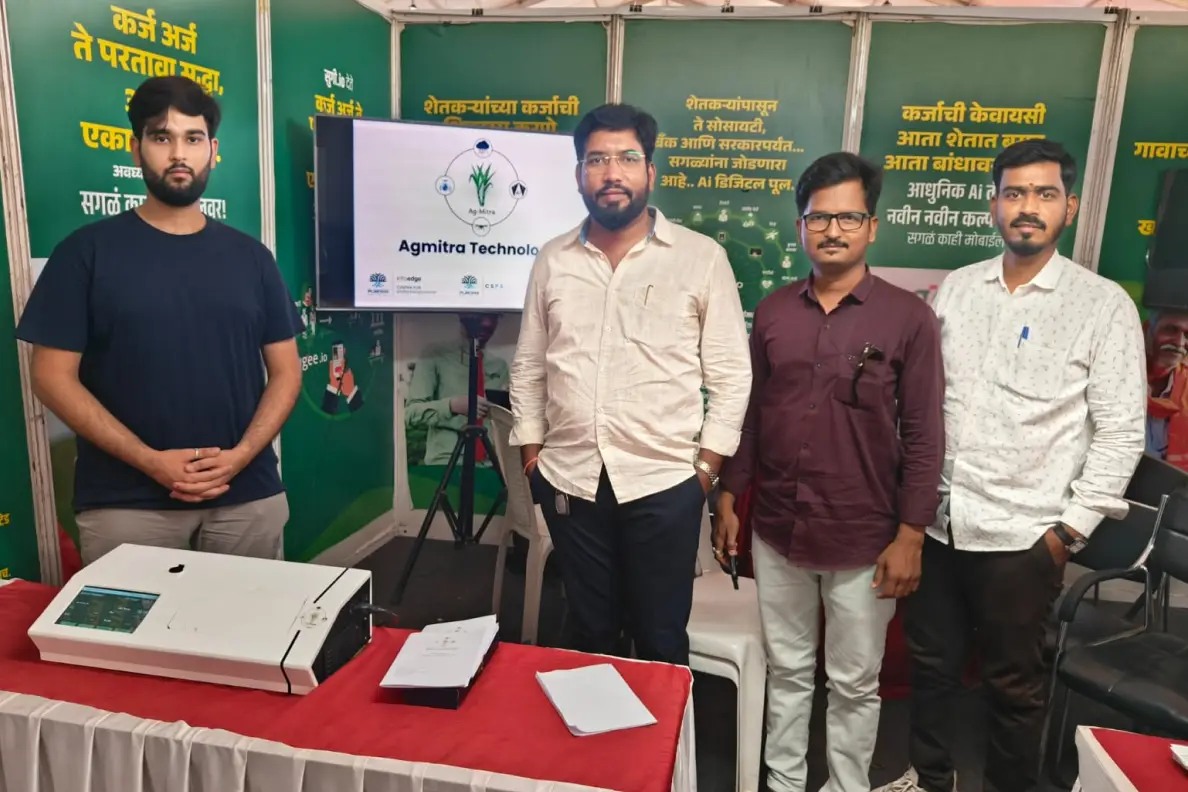
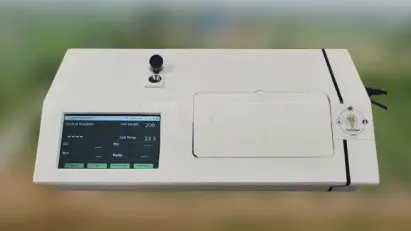
- Agmitra Technologies Pvt. Ltd founded by Plaksha Faculty, is building affordable quality-measurement hardware for the sugar industry. Its flagship product, DigiSugar, is low-cost indegenous polarimeter delivers laboratory-grade sucrose readings in a portable form factor.
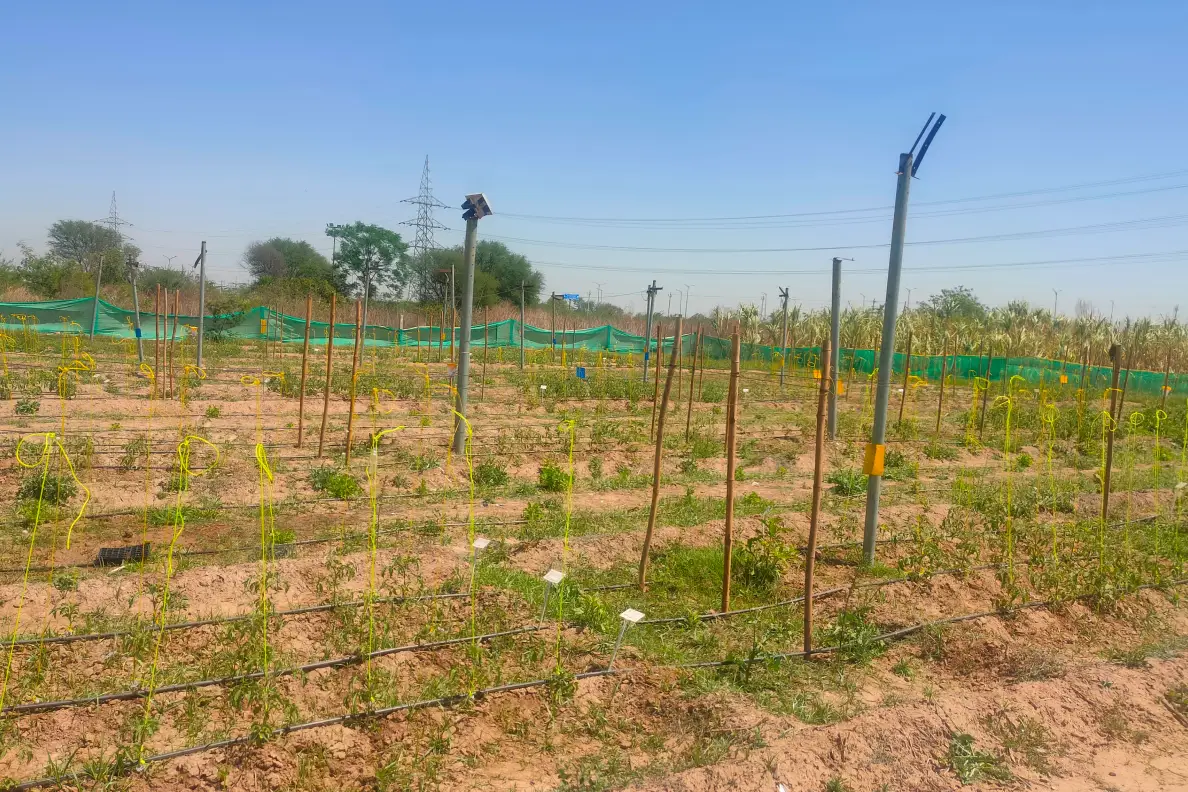
- Agriguru Technologies has developed low-cost IoT sensors to reduce water use (by upto 35%) in paddy cultivation. AgriGuru's Alternate Wetting and Drying (AWD) system measures the water levels in the field and provide real-time alerts to the farmer cutting water use by up to 35% without yield penalty. The company has raised ₹25 lakh from the
Trident Group.
Research and Innovation Projects
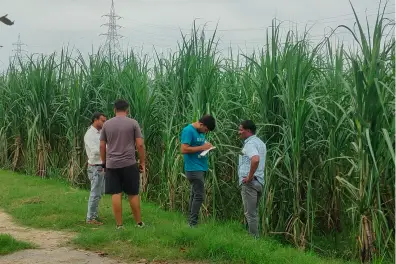
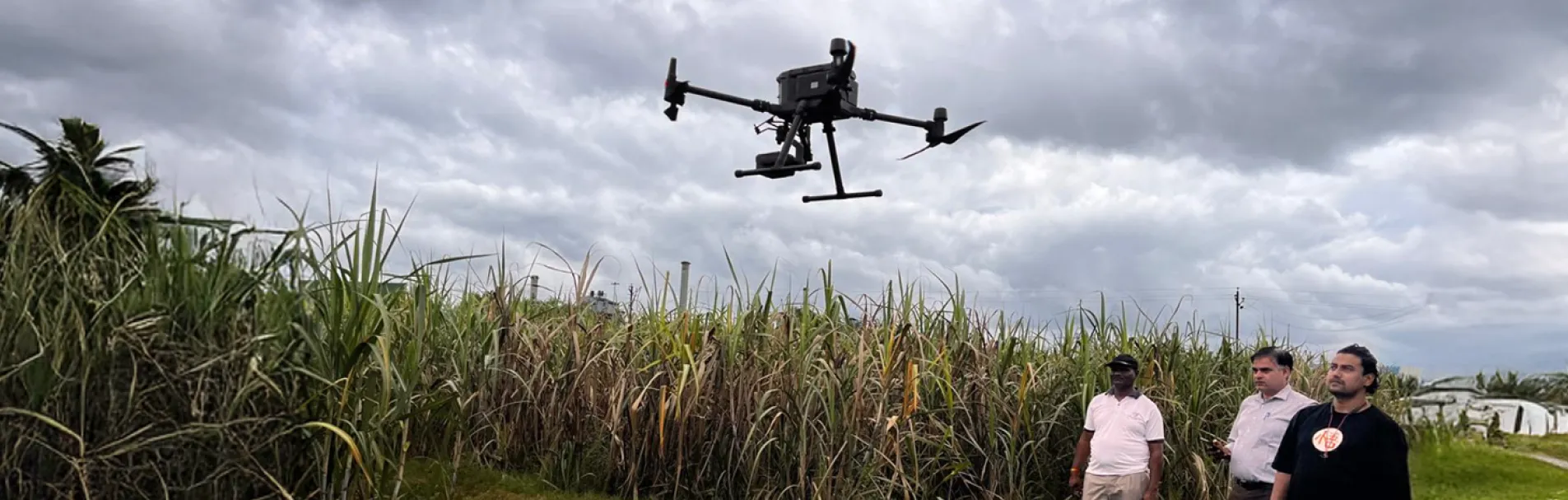
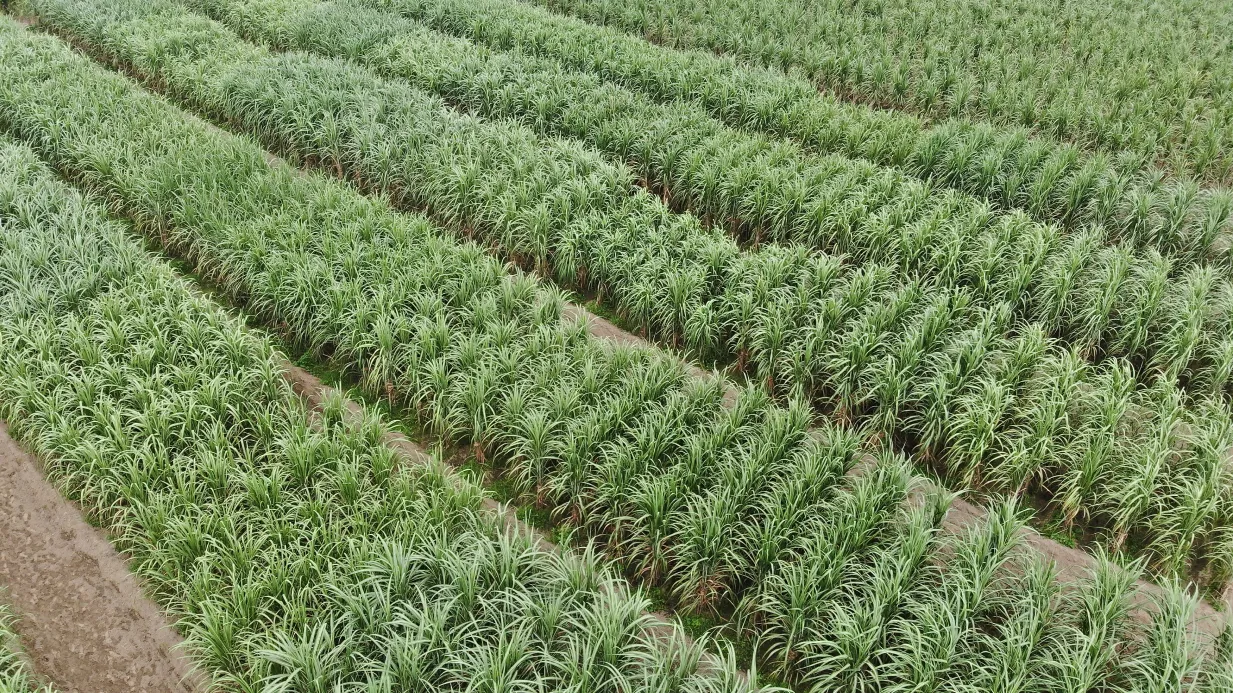
- Project Pahal / CNH Industrial: a CSR-supported sugarcane project using drone- and satellite-based advisories, sucrose sensors, and Cane.AI, with model farms in Asmoli and Harodi in Uttar Pradesh.
- Soil Carbon Sequestration / Narotam Sekhsaria Foundation: a soil-health project pairing microbial fungal inoculants with geospatial foundation models for measurement, reporting, and verification solutions.
Global and Community Engagement
- A Plaksha UG team mentored by Prof Sunita Chauhan presented an edge-AI rice disease detection system at the Intelligent Systems Conference 2025 in Amsterdam and won 2nd Prize in the Innovation Projects category at the SP Dutt Awards.
- Moti Rattan Gupta and Prof Anupam Sobti published Time2Agri: Temporal Pretext Tasks for Agricultural Monitoring at AAAI 2026 in Singapore.
- Prof Navjot Kaur's group is collaborating with Prof Sabrina Sarrocco (University of Pisa) on Trichoderma as a biological control agent against fungal plant pathogens.
- BTech student Udaiveer Singh was selected for the Summer Undergraduate Research Fellowship at Purdue University and worked with Prof Dharmendra Saraswat on foundation models for crop monitoring and agroecosystem analytics.
- Rajiv Ranjan, a PhD scholar at Plaksha and Visiting Research Scholar at Purdue, presented SPEAR at WACV 2026 in Tucson, Arizona.
- Keshika Gajbhiye, a PhD scholar at Plaksha and Visiting Research Scholar at NCBS, presented soil carbon sequestration work at GIC 2026 in Bangalore.
- PruneNet from Prof Sandeep Manjanna's group was accepted at IEEE ICARCV 2026 in Vietnam; it is an end-to-end UAV system for identifying mango trees requiring pruning and generating optimized robotic intervention paths.
Gallery