
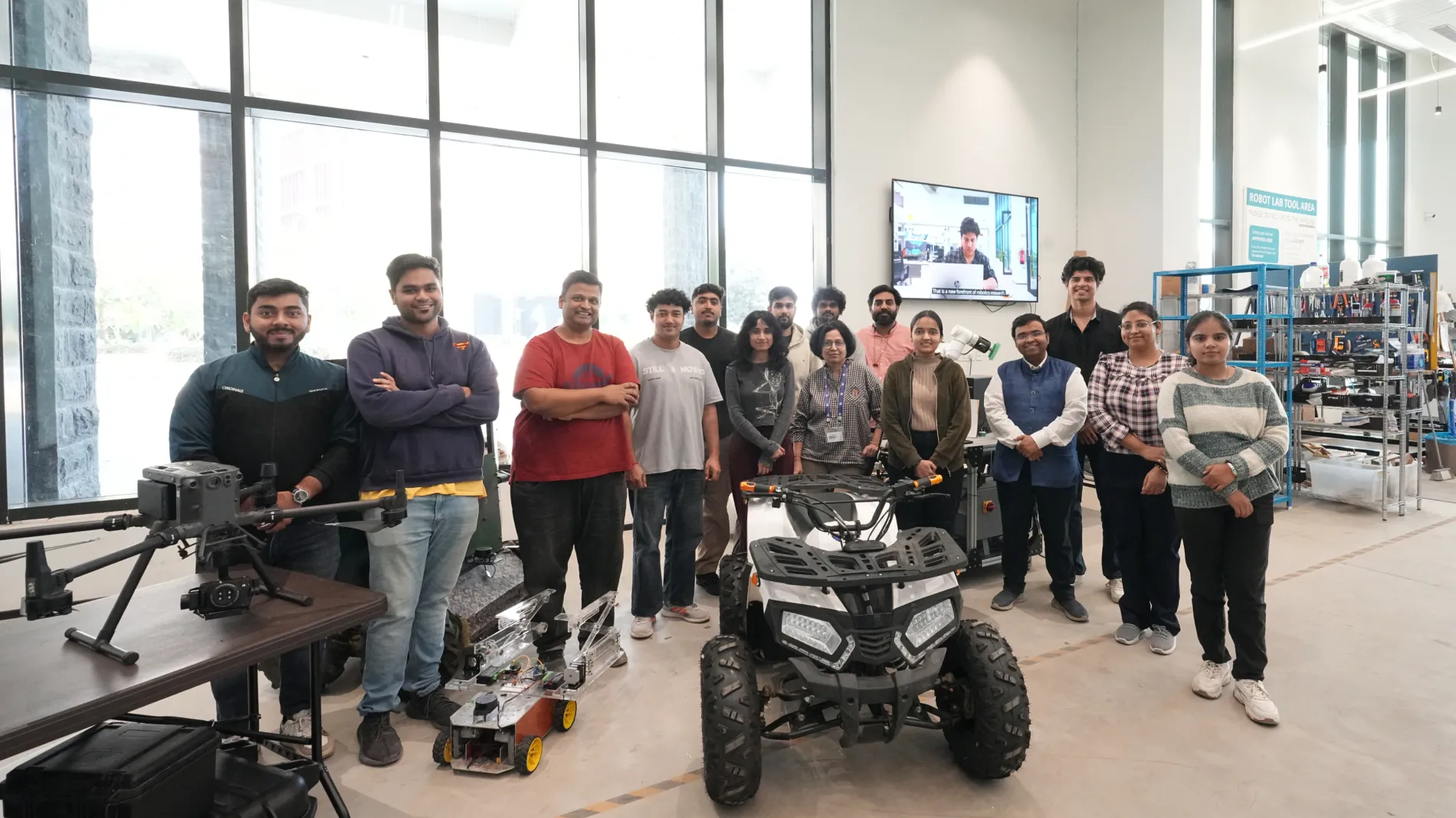
BTech in Robotics and Autonomous Systems
Integrating computation and AI with mechatronics, electronics, and human behavior
About the program
Solutions to grand challenges increasingly require reaching across the boundaries of the cyber, physical and human worlds. The Robotics & Autonomous Systems program is different from traditional electrical/mechanical engineering programs and is designed to target the growing and unmet need at the intersection of computing, mechatronics and human behavior.
BTech Minors
The following Minors are currently offered by the programs:
- Artificial Intelligence
- Computational Systems Biology
- Computer Science
- Economics
- Tech Entrepreneurship
- Design
Admission and Eligibility Criteria
Your application is reviewed to understand the overall potential and fit with Plaksha's ethos. Share a complete and authentic representation of yourself through your application.
Curriculum
The curriculum at Plaksha is dynamic and continuously evolving, based on inputs from faculty, latest research and industry insights.
Financial Aid And Scholarships
Plaksha is committed to ensuring that no deserving student is denied access to education because of their personal financial constraints. Liberal financial aid and merit scholarships between 25%-100% are available at Plaksha. In case of salaried families, financial aid is available if the household's gross annual income (including salary and income from other sources) is below ₹50 lakh.
Dates to Remember
What Can You Create
Autonomous Vehicles
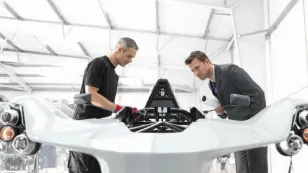
You can create autonomous vehicles such as self-driving cars, that are capable of sensing their environment and can communicate with adjacent vehicles to avoid accidents, reduce traffic and ensure that no traffic rules are violated.
Digital agriculture solutions
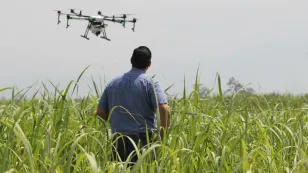
You can create digital agriculture solutions that enable farmers to monitor aspects like irrigation, crop yield, environmental conditions, etc., through low-cost sensors, drones, and mobile communications and data across the agricultural value chain. By driving adoption of such solutions, you can enable farmers to boost sustainable farming practices and maximize return from their crop.

Smart cities
You can help conceptualize and build exciting 'Smart Cities' of the future, which have smart interconnected systems for transportation, energy distribution, healthcare, environmental monitoring, emergency response and more, while preserving aspects of safety, security and privacy.
Medical robotics
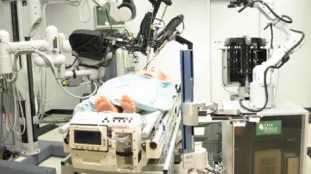
You can design and develop wearable prostheses that adapt to a patient’s injuries and guide individualized exercises in conjunction with a remote therapist, build robots that perform meticulous and high-risk surgeries, real-time patient health monitoring and various other solutions that revolutionize healthcare.
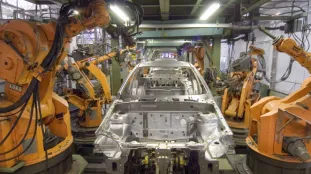
Industrial and consumer robots
You can build robots to perform tasks that create economic value and simplify our lives, such as industrial robots used in manufacturing and logistics processes, to even robots that clean our homes!
Learning Experiences
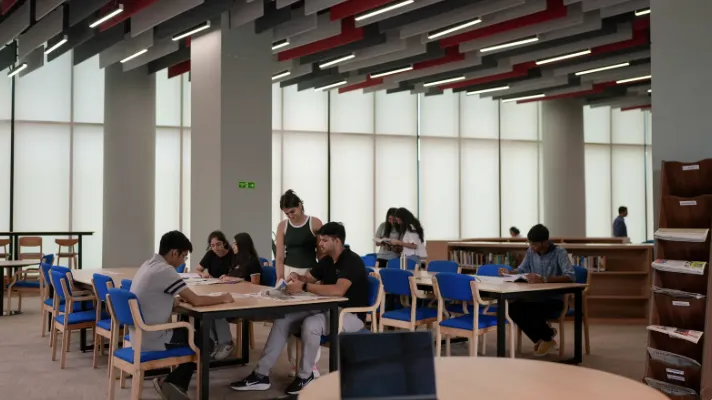
Multidisciplinary approach and Interdisciplinary perspective
Interacting with and drawing multiple elds of expertise, making connections between discipline, analyzing the humanistic, socioeconomic and technical contexts of the problem.
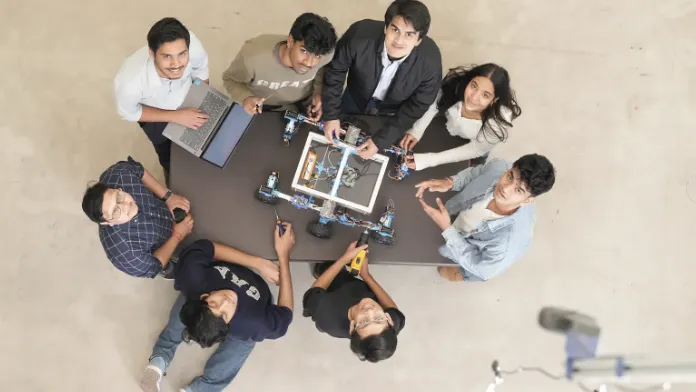
Foundational Tech Core
Developing an interdisciplinary foundation featuring math, physics, computer science and engineering principles such that they come together as an integrated whole, not segmented topics.
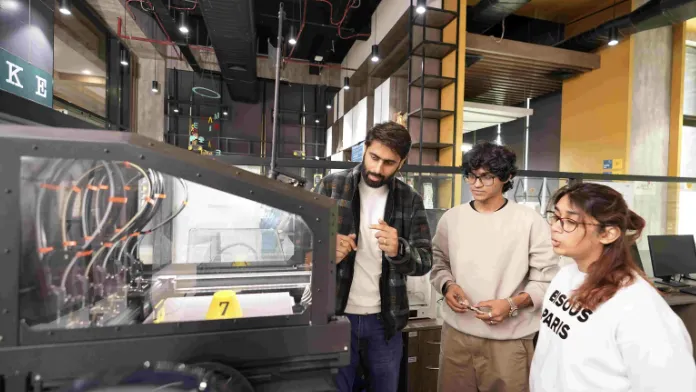
Design and research ability
Identifying human needs and solving problems creatively through sustained critical investigation.
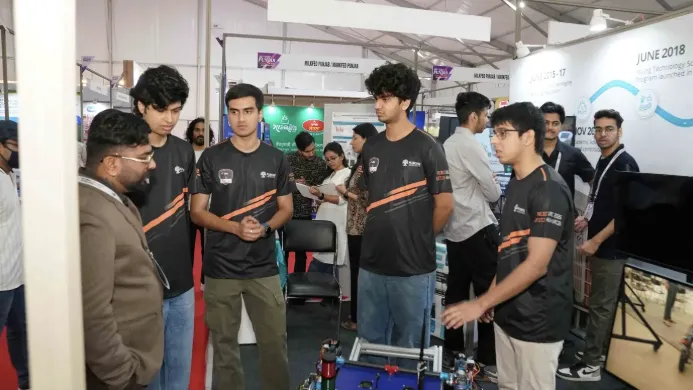
Innovation and entrepreneurship mindset
Finding Opportunities, identifying business models, embracing ambiguity to create value in the marketplace or in society
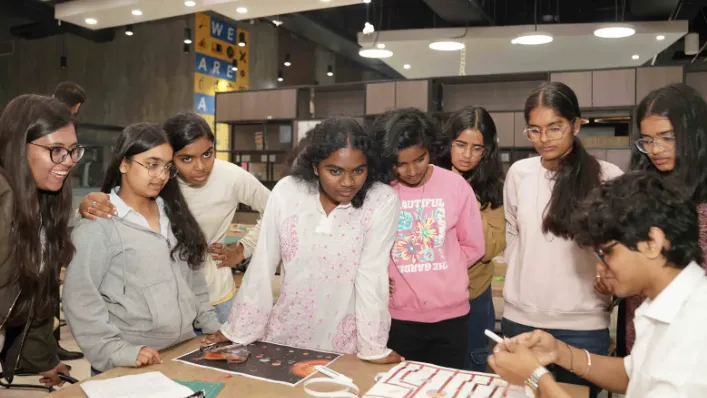
Societal Responsibility
Considering the social and human consequences of actions and responsibilities to others in local, national and global communities, acting to improve the human condition.
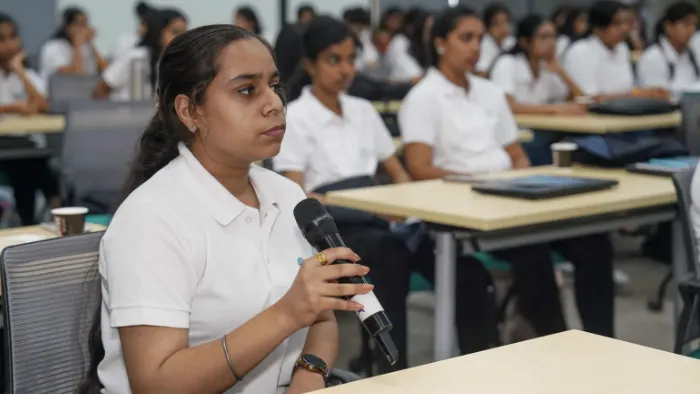
Leadership and self reflection
Creating impact through actively developing skills like communications, creatively, critical thinking and collaboration.
Testimonials
Hear from our students about their experiences in the program.