

The Beginning
Plaksha's journey started in 2015, as a conversation among a few friends about how and why technology education needs to change. This group of people, most of them entrepreneurs and business leaders, were keen to change the landscape of engineering and technology education in India and the world.
The first concrete step was taken in 2017 with the establishment of Reimagining Higher Education Foundation, a Section 8 not-for-profit company. In Feb 2019, the groundbreaking of the campus took place in Mohali and in Aug 2021 the campus opened its doors.
Plaksha's Vision and Mission
Vision: To shape leaders, researchers and entrepreneurs - bold enough to transform the world and wise enough to do it responsibly.
Mission: Plaksha exists to:
- Cultivate fearless, ethical leaders by bringing together exceptional minds in an environment where technology, humanities, and entrepreneurship converge around problems that matter.
- Advance knowledge that matters and create real-world impact through multidisciplinary research and ventures that address the grand challenges of our times.
- Build an institution that is nimble, inclusive and anchored in humanistic values.
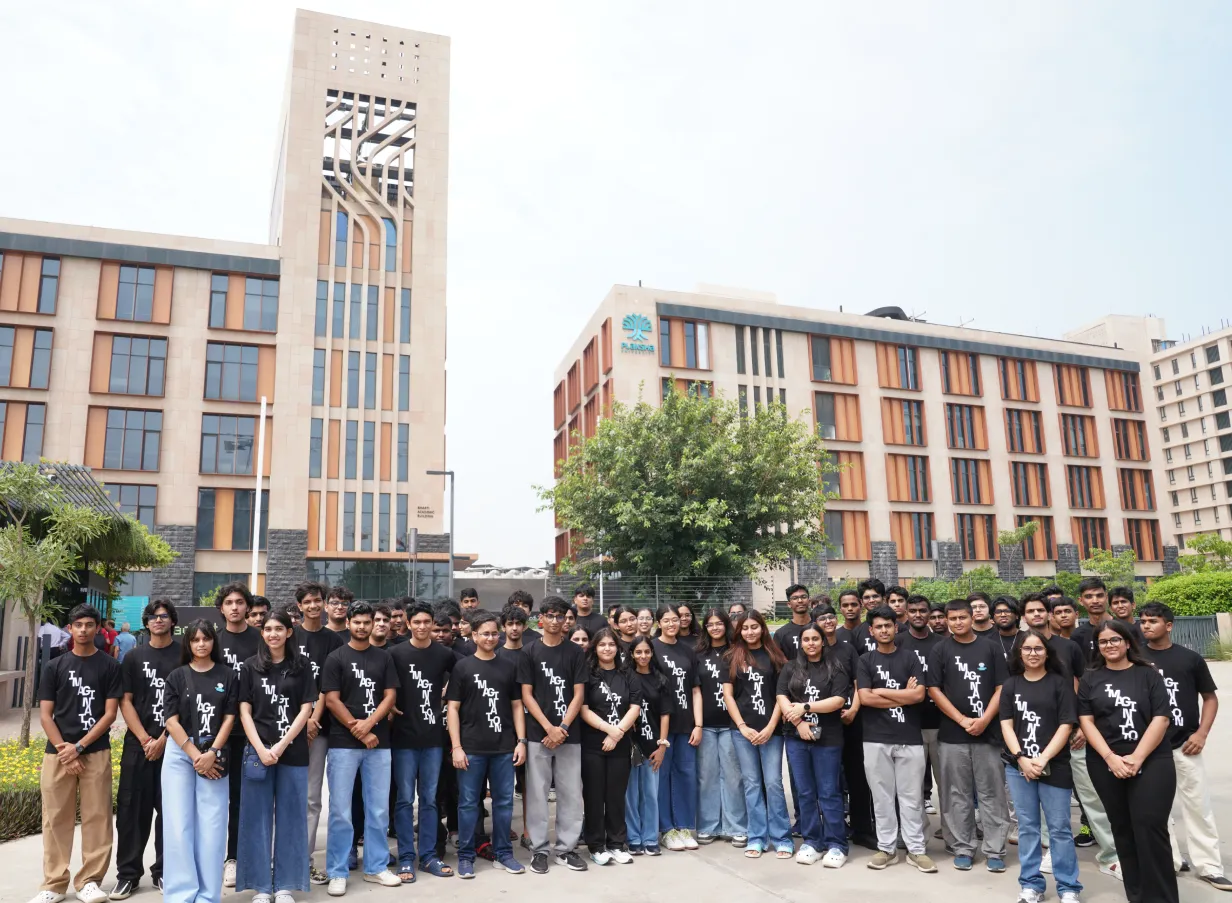
Three Pillars of Plaksha
Embody all the values of being Curious, Rigorous, Enterprising, Authentic and Thankful, and be a role model in one or more.
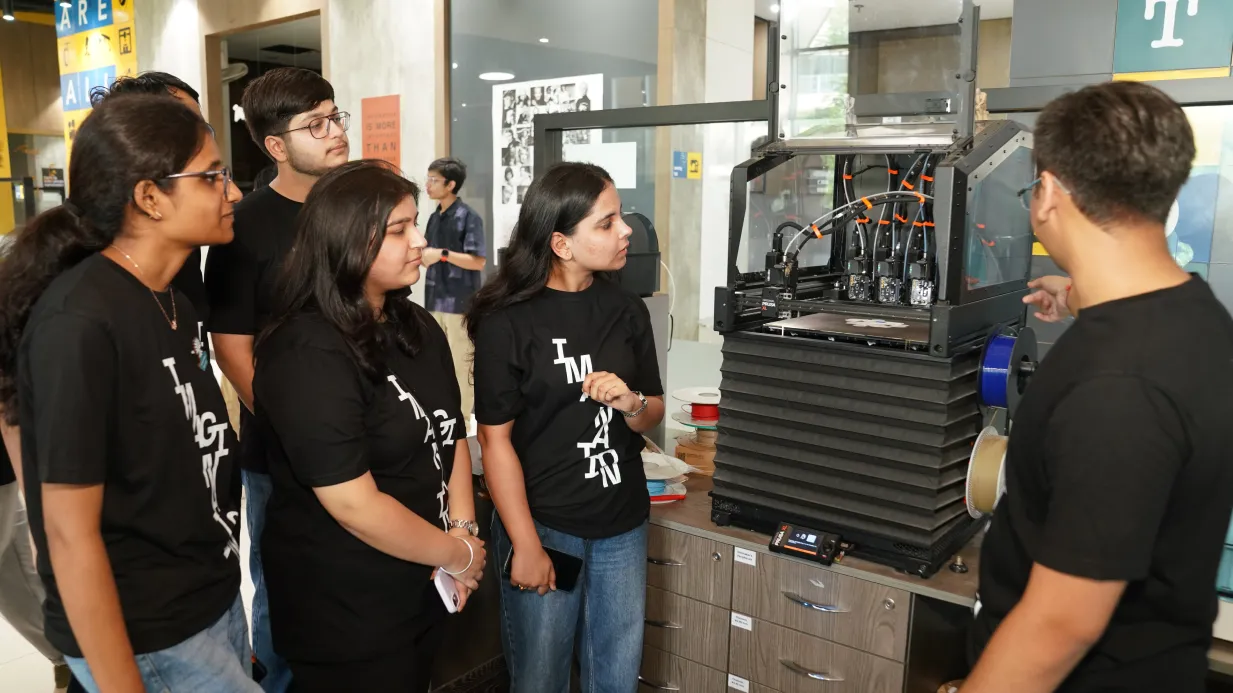
Pillar 01
Reimagining technology education
Interdisciplinary curriculum integrating technology, social sciences and design. Hands-on pedagogy and focus on self-development.
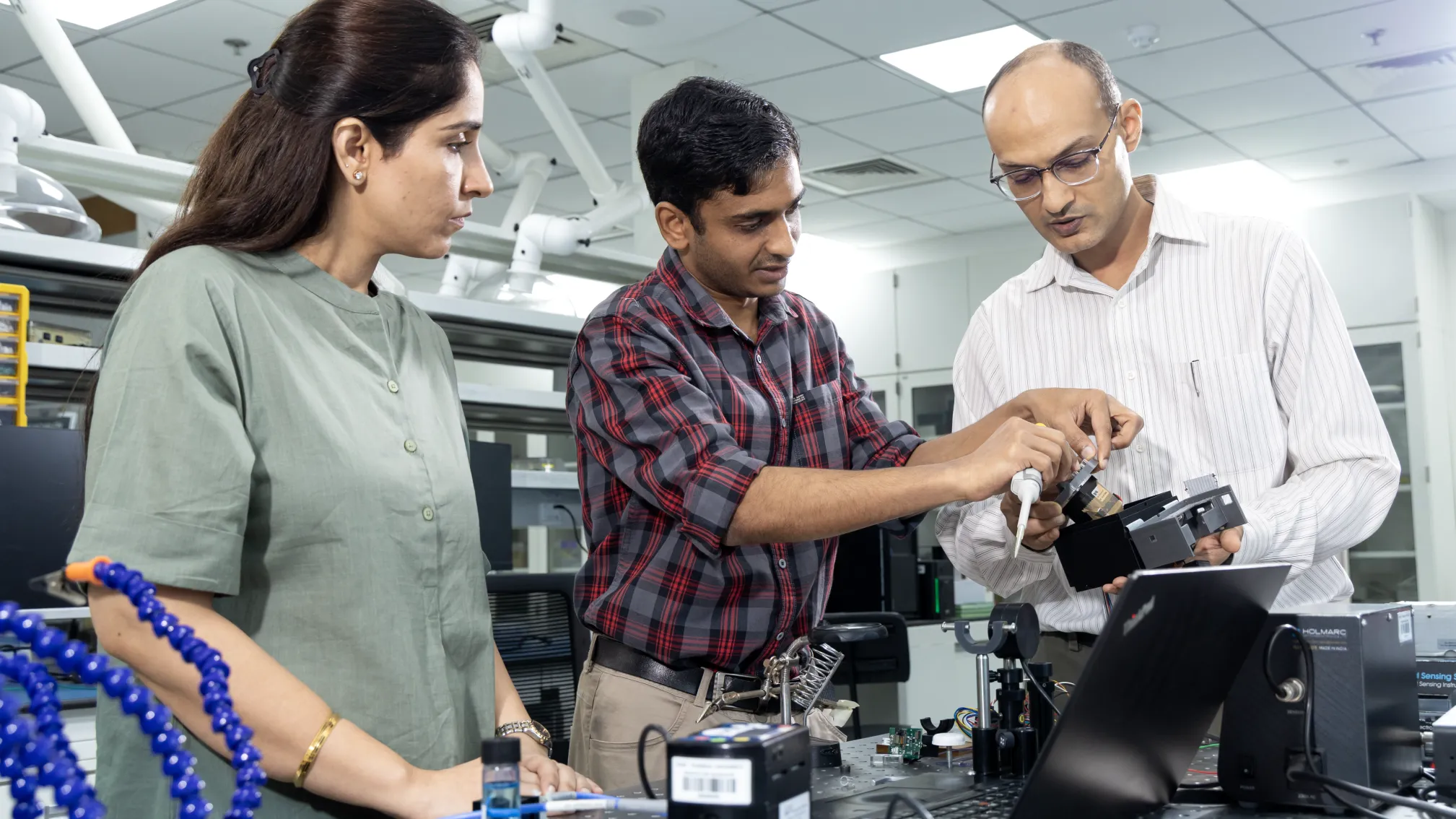
Pillar 02
Enabling research and innovation ecosystem
Entrepreneurial mindset in faculty and students, innovation culture and enabling ecosystem, mentorship and networks.
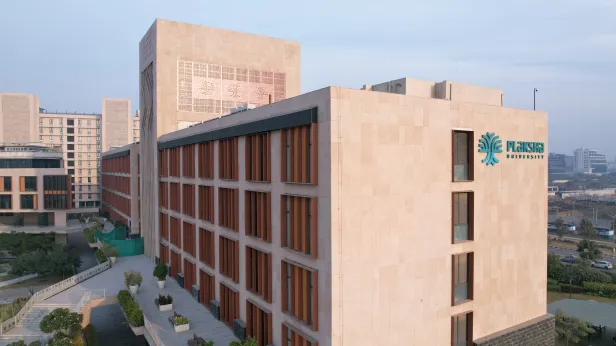
Pillar 03
Addressing grand challenges
Thematic research centers with industry, government and academia collaboration and shared core lab infrastructure.
Plaksha: A Name with a Story
Plaksha is the name of a ficus tree, which grows in India. Indian scriptures state that the River Saraswati, synonymous with learning, originated from a 'world-tree' called Plaksha, which grew at the foothills of the Sivaliks.
The name 'Plaksha' therefore reflects the idea of the university as a tree, from which a river of learning flows endlessly, constantly renewing itself and nurturing everything that it touches.
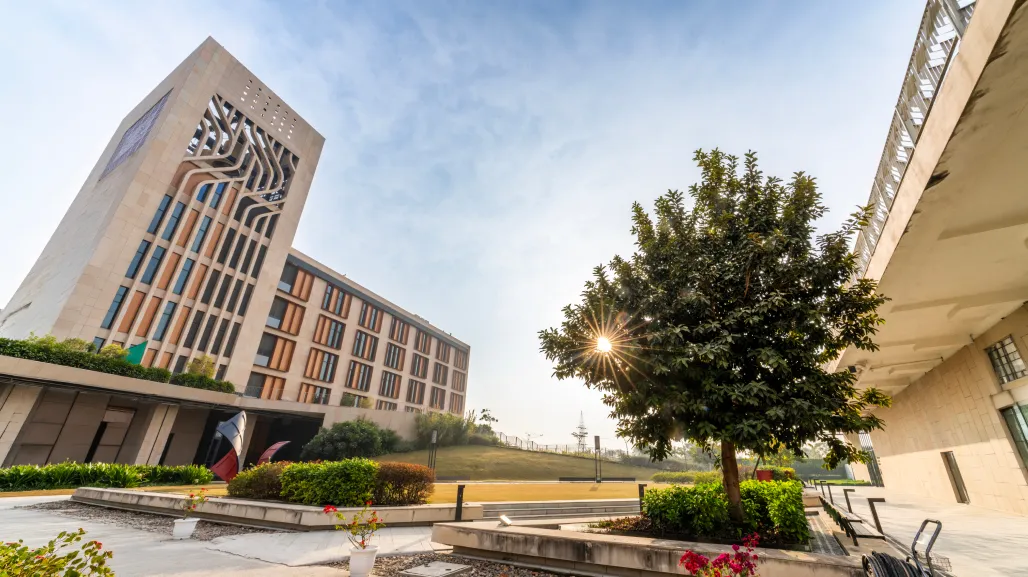
Overview of Plaksha
Plaksha University was established in 2021 under the Punjab State Private Universities Policy of 2010. It has over 800 students and 54 faculty members, including academic experts and industry professionals. The 50-acre campus is located in the Chandigarh tri-city, 10 minutes from the international airport.
Plaksha is uniquely positioned to reimagine technology education and research in India through:
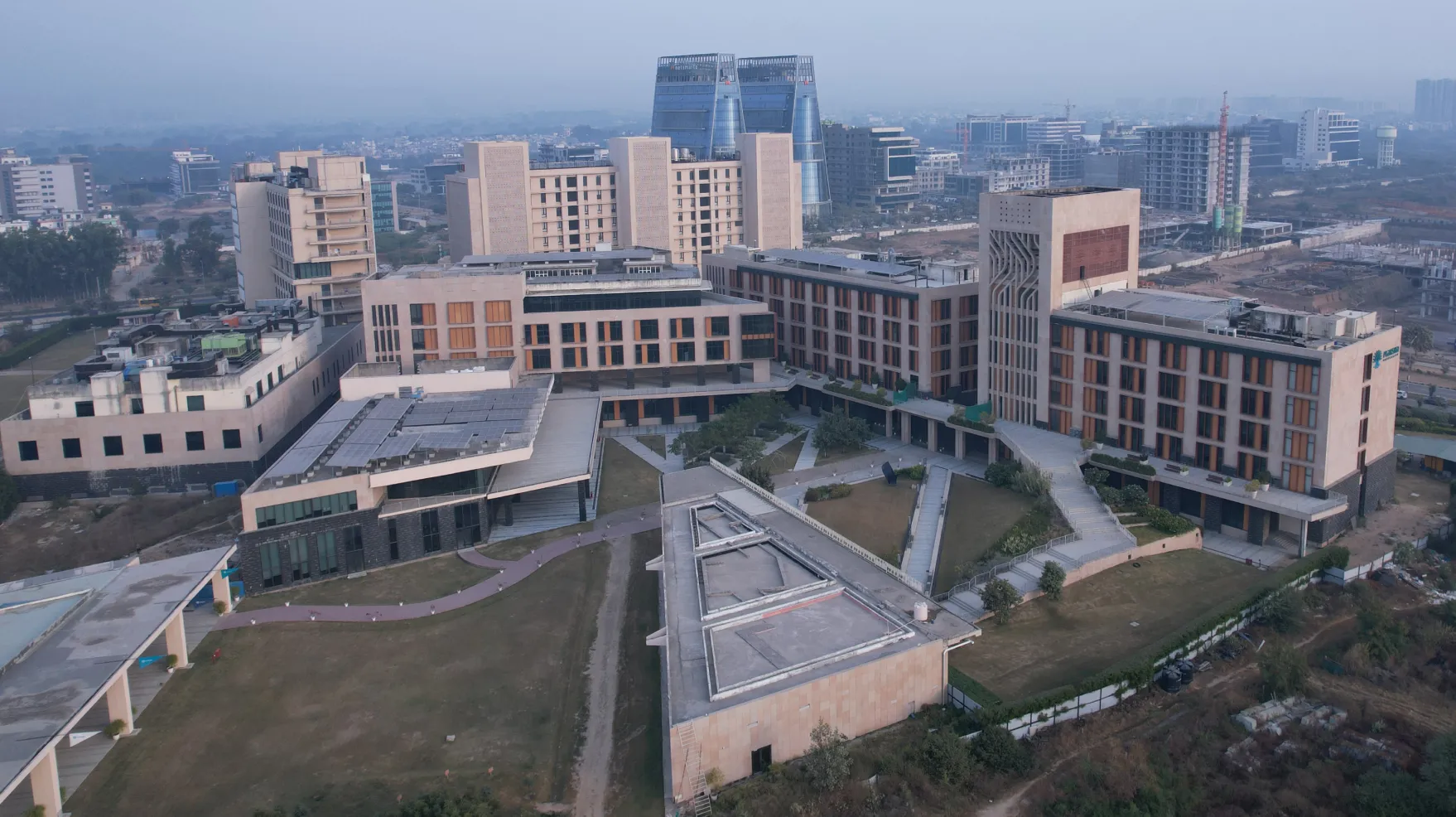
Collective governance
Plaksha operates under a model of collective governance, drawing on the expertise of a distinguished Academic Advisory Board and a founding community of entrepreneurs, business leaders, and academicians.
Global partnerships
Collaborations with Cornell University, UC Berkeley, Penn Engineering, Purdue University, and Brigham and Women’s Hospital (Harvard) shape globally aligned curricula, pedagogy, and student experiences.
Research culture
Four interdisciplinary research centers address grand challenges in clean energy, sustainable agriculture, water security, and equitable health. Faculty are actively engaged in research, supported by a robust doctoral program.
Reimagined undergraduate education
Plaksha offers four BTech majors built on an interdisciplinary foundation. The Freshmore curriculum integrates design, humanities, modern computing, and fundamental sciences - free from traditional department silos.
A greenfield advantage
As a young institution, Plaksha is free from legacy constraints and able to drive innovation in curriculum, pedagogy, and institutional design.
Entrepreneurial mindset
The university’s agile and action-oriented culture supports bold experimentation and rapid execution.
Founding Community and Leadership
Our Founders
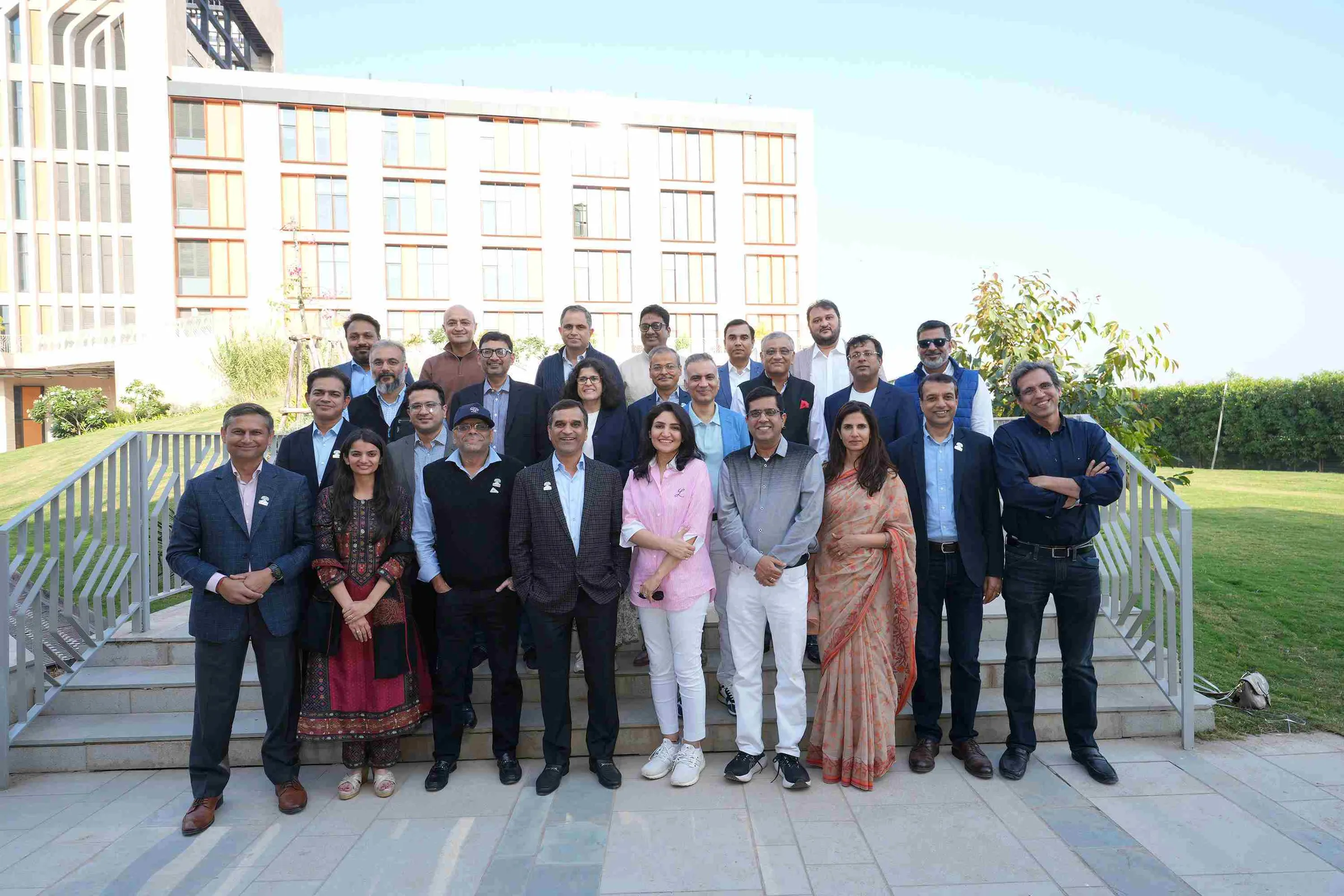
Plaksha’s founders are accomplished business leaders and technology entrepreneurs from India and global hubs including Hong Kong, London, New York, Silicon Valley, Singapore, and Tokyo. United by a shared commitment to nation-building through education, they have contributed generously through philanthropy and play an active role in shaping the university. Their engagement extends beyond financial support - mentoring students, guiding strategic initiatives, and helping build a vibrant community of innovators and changemakers.
University Leadership
Plaksha is led by leaders who have built institutions and are committed to excellence. It features an elite academic and administrative leadership team composed of globally renowned educators, researchers, and corporate pioneers. The university operates on a collective philanthropy model, guided by a vision to reimagine technology and engineering education.
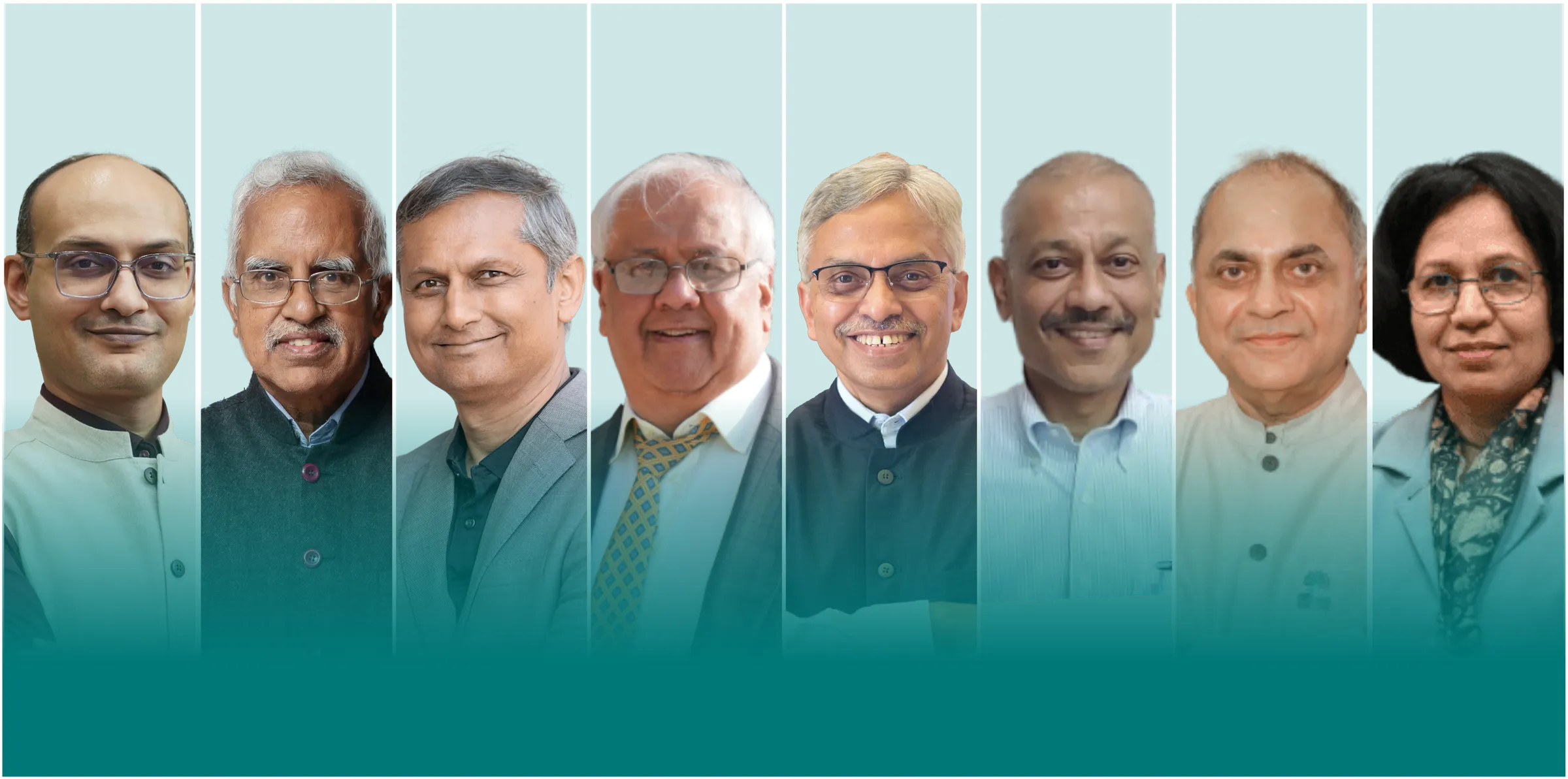
Our Academic Advisory Board
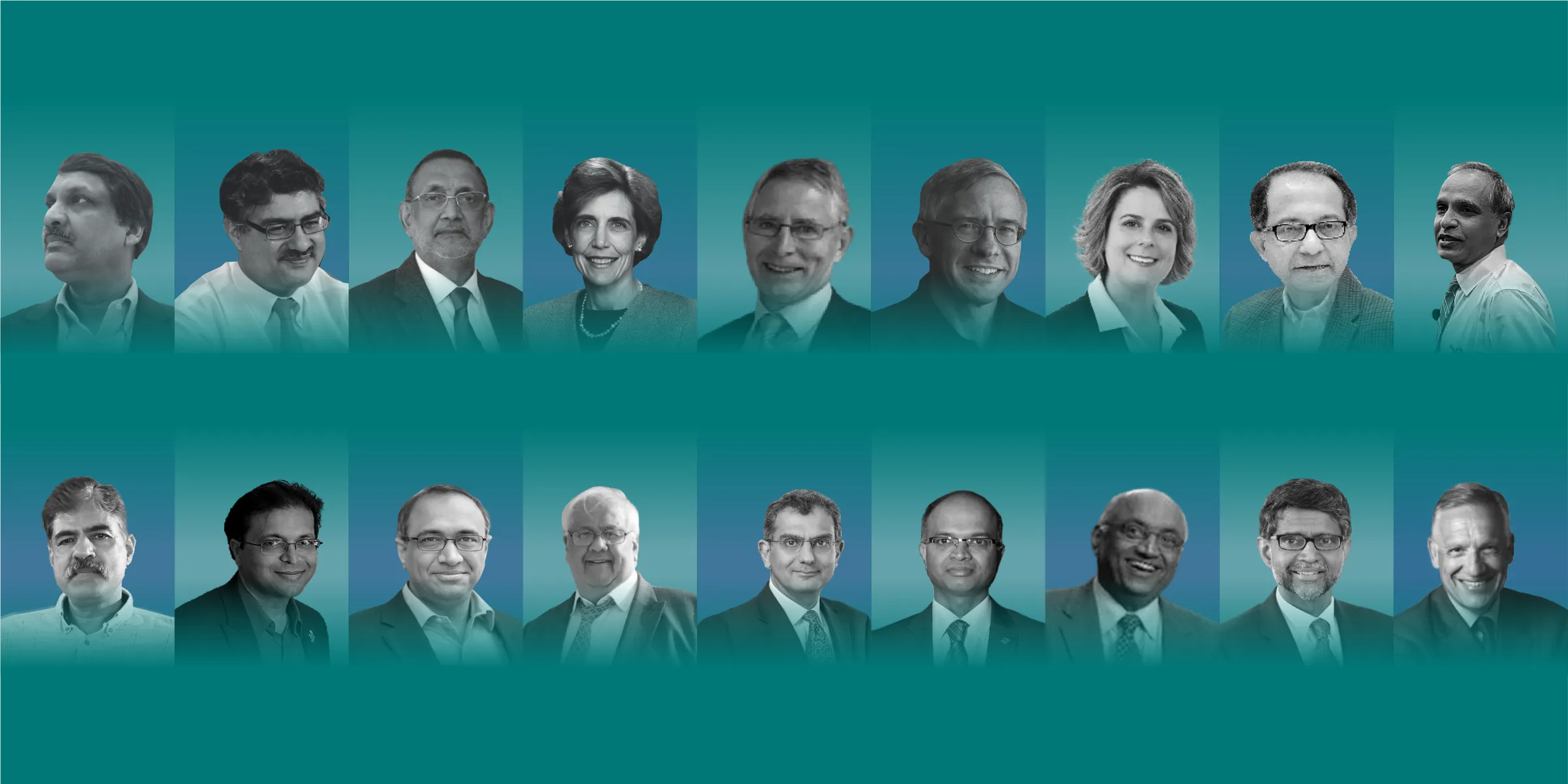
Plaksha’s Academic Advisory Board was formed in 2017, bringing together radical thinkers and academic leaders from across the world. Today, it comprises 20 eminent scholars and institutional leaders who have been at the forefront of transforming higher education globally. Their insights have been instrumental in shaping Plaksha’s academic vision, curriculum design, and institutional direction.
Partnering with top institutions, globally
Plaksha has partnerships with leading academic institutions around the world that share its vision to reimagine engineering education and research. These collaborations span curriculum design, faculty and student exchange, joint research, and academic delivery - ensuring our programs are globally benchmarked and locally relevant.
Global and Industry Partnerships
- Barcelona School of Economics

- Brigham and Women's Hospital

- IIIT Hyderabad
- IISER Mohali

- IIT Madras
- Illinois Institute of Technology

- Johns Hopkins Carey Business School
- PGIMER

- Rutgers University

- University of Cambridge
- University of Maryland, Baltimore

- USC Viterbi School of Engineering