
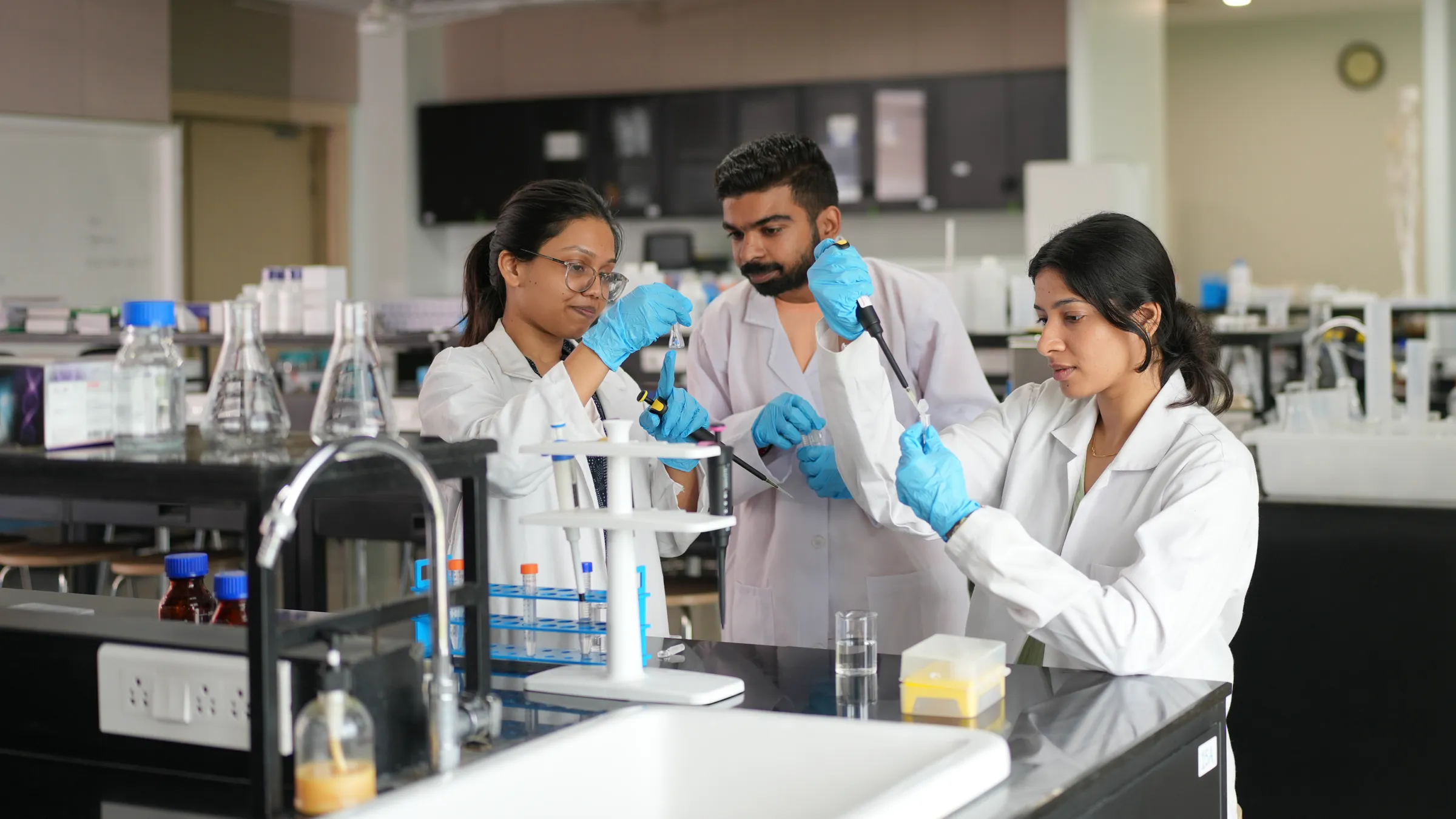
BTech in Biological Systems Engineering
Integrates life sciences, computing and engineering to drive solutions in healthcare, biomaterials and environmental sustainability.
About the Program
Join a unique academic adventure where you will mix biology with technology in a seamless way. Dive deep into how cells work and explore the latest advancements in biological engineering, including groundbreaking techniques like CRISPR, biosensors, biomaterials, and bioinformatics. Go beyond traditional subjects and look at nature from tiny to big scales. This exciting program prepares you to tackle complex biological problems and come up with new ideas that merge biology, technology, and engineering.
BTech Minors
The following Minors are currently offered by the program:
- Artificial Intelligence
- Computer Science
- Economics
- Robotics
- Tech Entrepreneurship
- Design
Admission and Eligibility Criteria
Your application is reviewed to understand the overall potential and fit with Plaksha's ethos. Share a complete and authentic representation of yourself through your application.
Dates to Remember
Curriculum
The curriculum at Plaksha is dynamic and continuously evolving, based on inputs from faculty, the latest research, and industry insights.
What can you create?

Combat diseases and pandemics
You can help combat various diseases, epidemics and pandemics affecting humanity by modeling and analyzing large quantities of biomedical and biological data, developing forecasting and epidemiological models, applying to assist medical professionals for quicker drug and vaccine discovery and more.

Wearable prosthetics
You can design and develop wearable prostheses that can help individuals gain partial or full control of missing body parts, through the use of sensors and electrical impulses. You could even create startups that make prosthetics readily available and affordable for all.

Planetary health monitors
You can use sensors, IoT and imaging to monitor, regulate and optimise the use of natural resources. Using the data you acquire, you can create products and startups that address global challenges and build solutions that preserve and improve environmental conditions.
Financial Aid and Scholarships
Plaksha is committed to ensuring that no deserving student is denied access to education because of their personal financial constraints. Liberal financial aid and merit scholarships between 25%-100% are available at Plaksha. In case of salaried families, financial aid is available if the household's gross annual income (including salary and income from other sources) is below ₹50 lakh.
Testimonials
Hear from our students about their experiences in the program.
Learning Experiences
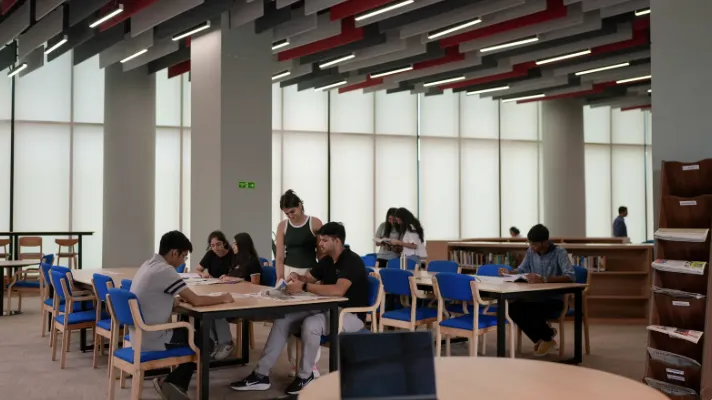
Multidisciplinary approach and Interdisciplinary perspective
Interacting with and drawing multiple elds of expertise, making connections between discipline, analyzing the humanistic, socioeconomic and technical contexts of the problem.
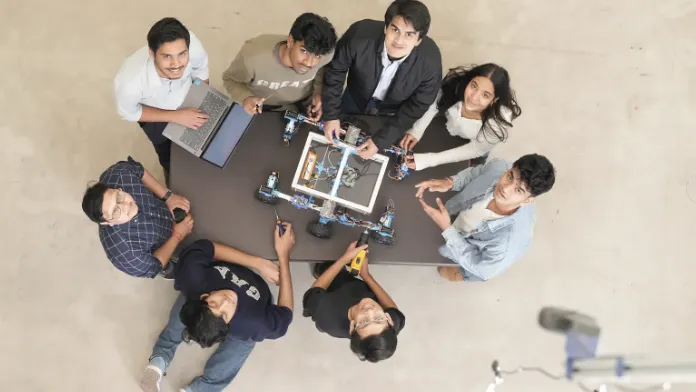
Foundational Tech Core
Developing an interdisciplinary foundation featuring math, physics, computer science and engineering principles such that they come together as an integrated whole, not segmented topics.
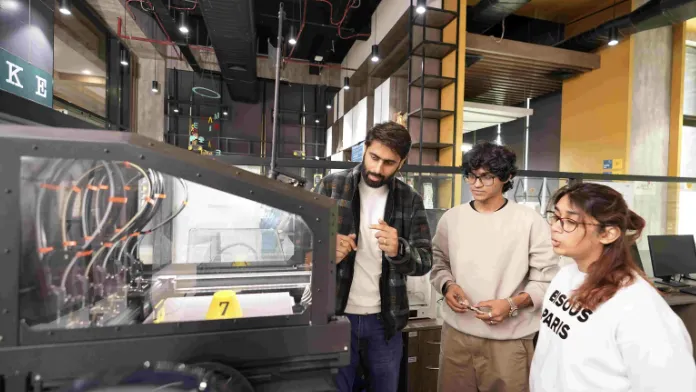
Design and research ability
Identifying human needs and solving problems creatively through sustained critical investigation.
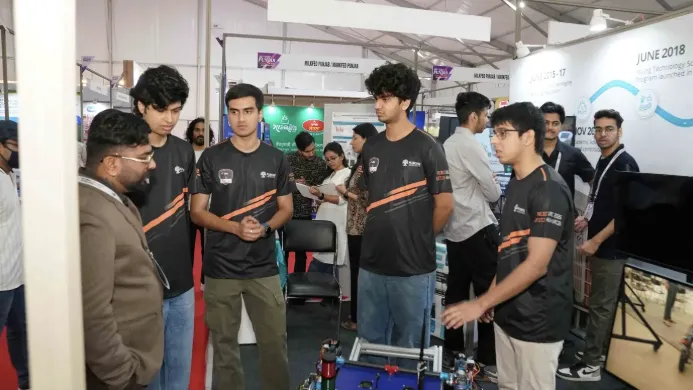
Innovation and entrepreneurship mindset
Finding Opportunities, identifying business models, embracing ambiguity to create value in the marketplace or in society
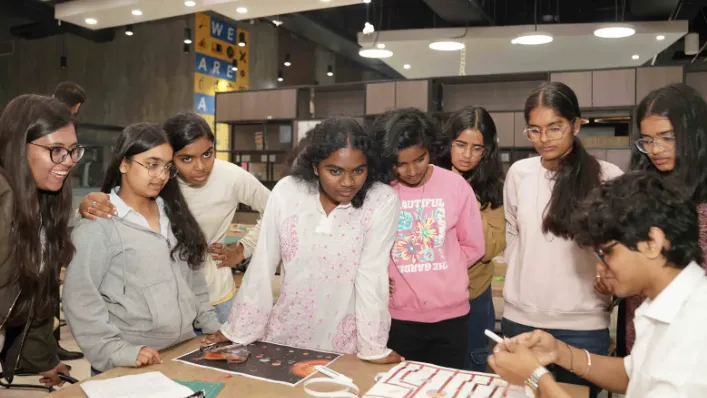
Societal Responsibility
Considering the social and human consequences of actions and responsibilities to others in local, national and global communities, acting to improve the human condition.
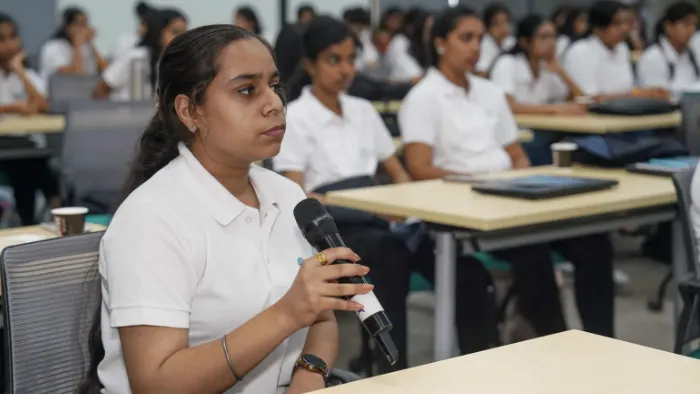
Leadership and self reflection
Creating impact through actively developing skills like communications, creatively, critical thinking and collaboration.