
Non-Destructive estimation of Cassava Root Volume using GPR and Deep Learning for Precision Phenotyping
Authors: Pehar Jhamb, Yuven Blowria, and Puneet Madan
Published: 30/06/2026
Abstract
Cassava (Manihot esculenta) is the fourth most important food crop globally, following rice, wheat, and maize with an overall trade value of $3.65 billion in 2021(Otekunrin, 2024, p. 3), and with the leading consumers being Nigeria, Indonesia, Ghana, and Mozambique. It is a resilient crop that can thrive in nitrogen-poor soil even during droughts (M.L.E. Imakumbili et al., 2021, p. 3), and under stressful conditions making it a boon to sub-Saharan food security. It has high resistance to droughts and can yield up to 80 metric tons/hectare under optimal conditions (Adebayo, 2023, p. 1) which positions cassava as an important crop for the entire continent. The economic value of cassava lies in the roots of the crop, which can only be assessed at the time of harvest. The inaccessibility of the cassava roots presents a challenge to farming programs, yield prediction, and agricultural management. Proper and timely root volume estimation on scales is pivotal in unlocking cassava's full potential in African food systems.
Traditional techniques for volume estimation of cassava root—caliper measurement, water displacement, and gravimetric drying—are by nature destructive, time-consuming, and unscalable (Venkatesh et al., 2014, pp. 611–614; Lertworasirikul & Tipsuwan, 2008, p. 72). These methods need plants to be uprooted and laboratory settings, as well as considerable time, making them unsuitable for large-scale or in-field assessments. Even newer modern partially destructive methods, such as soil coring and minirhizotrons, are limited in their insights, low in throughput, or lacking in precision (Cui et al., 2013, p. 3412). Consequently, root phenotyping is a serious bottleneck in cassava breeding and agronomic optimization. Since cassava yield directly correlates with root volume, it is critically in need of a non-invasive, automatic, and scalable solution. Ground Penetrating Radar (GPR) coupled with machine learning makes it an attractive solution. GPR can image subsurface structures in real- time and non-invasively, and ML can then derive useful patterns and volume estimation from radargrams (Liu et al., 2017, p. 517). This interface presents a new opportunity for cassava research, enabling accurate volume estimation of cassava roots and ultimately yield optimization and decision quality in low-resource agricultural systems.
Introduction
Root volume estimation is a foundational parameter in agricultural sciences, offering quantifiable insights into a plant’s ability to acquire water and nutrients, both of which directly influence yield potential, abiotic stress response, and phenotypic plasticity (Fariñas et al., 2019, p.3). The emergence of Agricultural sciences as a formal discipline was in the late 19th century. The establishment of land- grant universities and agricultural experiment stations in North America and Europe laid the groundwork for scientific approaches to soil fertility, crop breeding, and plant physiology (Velho L. et al., 1998, p. 205). As time has passed, the discipline has evolved into a multi-disciplinary science. This discipline consists of genetics, agronomy, environmental modeling, and data analytics. Root system traits, long overshadowed by above-ground phenotyping, have increasingly become a focal point due to their direct impact on plant resilience, nutrient cycling, and yield stability.
Over the years, root volume has emerged as a key trait in crop improvement, especially for root and tuber crops such as cassava. Cassava is cultivated extensively in marginal and stress-prone regions, especially in sub-Saharan Africa, where erratic rainfall, depleted soils, and infrastructural limitations challenge the viability of many staple crops. During the 2015–2016 El Niño drought, cassava yields in parts of East and Southern Africa remained stable at approximately 10–15 metric tons per hectare, whereas maize yields in the same areas dropped by over 50% (FAO, 2015, p. 32). This was possible due to cassava’s relative yield stability, due to its robust and fibrous root system. The root system enables Cassava to access deeper soil moisture and provides structural adaptation to temporal water stress. Thus, the root volume isn’t only a biological measure, but it is also an indicator of drought tolerance and soil resource efficiency.
Breeding programs focused on improving starch content, early bulking, and stress resilience depend on accurate root volume estimation to identify superior genotypes (Fariñas et al., 2019, p.9; Odedeyi et al., 2022, p.8). Furthermore, volumetric data are integral to effective harvest scheduling, input management, and yield forecasting. These insights are essential not only at the farm level but also for national and regional food security strategies.
Given this context, developing reliable and field-ready methods for root volume estimation has broad implications. Precision in measuring root architecture can significantly enhance cassava improvement programs and resource efficiency across diverse environments. For sub-Saharan Africa, Cassava has an economic and social significance as it provides staple calories for over 300 million people, and it is a key raw material for local starch, flour, and ethanol industries (Adebayo, 2023, p.3). Monitoring root volume accurately, non-invasively, and at scale would enable more targeted varietal selection, better agronomic planning, and more consistent yield forecasting across different environmental conditions. Such data would help facilitate identification of genotypes with favorable traits such as early bulking, drought tolerance, and nutrient efficiency for breeding and research programs. In terms of farmers, it will inform field-level decisions related to input management, crop scheduling, and resilience planning, which are considered to be key components in achieving sustainable agricultural productivity under increasing climatic and resource pressures.
Root Volume Estimation in Cassava
Root water content is an important determinant of cassava growth rate, nutrient transport, and ultimate yield. In cassava, water content not only provides turgor to the cell but also determines post-harvest shelf life and processing quality. The earliest agricultural studies of plant water relatedness were conducted as far back as the 1950s, when researchers first measured transpiration and soil‑plant water potential to estimate yield, and by the 1980s, these studies had extended to soil‑plant‑atmosphere models and gravimetric estimates of root water uptake (Fariñas et al., 2019, p. 22). Farmers in the past have relied on the sense of feel, visual indicators such as stem stiffness or leaf folding, or on destructive sampling followed by oven-drying to estimate the moisture content of the roots—procedures that are intuitive but not very accurate and labor-intensive, and inappropriate to large-scale monitoring.
Modern agriculture requires higher-quality, real-time data, and for drought-resilient crops such as cassava, the productivity needs to be measured not only by survival but by water-use efficiency—how much biomass or starch per unit of water. To address this requirement, recent works have integrated biophysical sensing and predictive modeling. Multispectral reflectance models, for instance, were found to estimate the water content of maize leaves with high precision (Wang et al., 2025, p. 4), and techniques akin to these are now being extended to subsurface organs.
The relatively shallow and morphologically differentiated root system of cassava makes the crop particularly suitable for non-destructive sensing: advances in spectral imaging, dielectric sensing using ground-penetrating radar (GPR), and ultrasonic resonance all hold potential to determine internal water content without excavation (Fariñas et al., 2019, p. 27).
Even with these improvements, limitations persist. Root architecture variation between varieties, heterogeneity of soils, and the lack of large, calibrated cassava datasets impose limitations on model stability and generalization across environments. Nevertheless, with increasingly sophisticated precision agriculture instruments and machine learning methodologies becoming increasingly within reach, the divide between scientific and the level of applicability in the field is gradually diminishing. Forthcoming AI-based models that fuse multimodal sensor data hold the potential to provide large- scale, non-destructive estimates of water content in the cassava root—developments that will be critical to efficient water management, the direction of breeding programs, and finally for the improvement of food security in the areas that depend on cassava.
Traditional Methods of Root Volume Estimation
Historically, the estimation of root water content and volume has involved labor-intensive, time-consuming, and destructive and semi-destructive methodologies that are not suitable for longitudinal studies. In the case of cassava, whose roots are deep, irregularly branched, and tend to extend beyond 50 cm in soil, these problems are particularly acute.
- Manual Measurement (Caliper Method): Uprooted roots are sized using calipers or rulers to determine diameter and length, and then estimated as cones or cylinders to calculate volume. Though inexpensive and easy, the technique is prone to underestimation of volume by as much as 15% because of unestimated irregularities in the root shape (Venkatesh et al., 2014, p. 614). Only 10–15 plants can be processed by an experienced technician per day, making it inappropriate for large numbers of trials.
- Water Displacement: Roots are submerged, and the volume of the displacing water is measured. This is normally accurate to ±5% in the lab (Venkatesh et al., 2014, p. 611), but needs benches, big water tanks, and handling to prevent air bubbles. Field conditions are restricted to fewer than 20 samples per day by logistics.
- Gravimetric Analysis: The fresh roots are weighed and then oven-dried (usually at 105°C for 48 hours) and re-weighed; the difference in weight provides water content. While the procedure provides maximum accuracy (< 2% error), the 2-day drying period and the necessity of an oven and balance limit measuring campaigns to centralized laboratories as opposed to the field location (Lertworasirikul & Tipsuwan, 2008, p. 72).
- Farmers' Estimation by Sight: Farmers estimate maturity and moisture from indicators including yellowing of the leaves, stem diameter, and soil cracking. Although zero-cost and speedy, farmers' estimates can differ by as much as ±20% relative to lab measurements (Yusuf Adebayo, 2023, p. 4), and are non-standardized, which renders them inappropriate for experimental trials.
- Semi-destructive Probes: Soil Coring removes a cylindrical core material (for example, 10 cm diameter) of soil including the roots for subsequent volume or moisture calculation. It normally samples 40–60% of the root biomass beyond the core radius (Cui et al., 2013, p. 3412). These methods typically rely on point sampling, with no ability to resolve fine-scale spatial heterogeneity in root distribution across a planting grid. Minirhizotrons install transparent tubes in the soil, allowing cameras to image root growth over time. Although non‑destructive to the plant, they provide only 2D snapshots and require image annotation to estimate root length, not volume.
Limitations of Traditional Methods
- Low Scalability: Most traditional techniques cannot be practically deployed across large areas or used for high-throughput phenotyping. Maximum of ~20 samples/day for displacement or scoring; 10–15/day for caliper measurements.
- Destruction of Sample Plants: Once a cassava plant is harvested or cored, it cannot continue growing, making longitudinal studies impossible.
- High Labor Input: These methods are resource-intensive and often require trained personnel, drying ovens, and measurement tools not readily available in rural settings.
- High Error Margins: Up to ±20% variability in visual estimation, ±15% in caliper methods, and undetected biomass in coring.
As agricultural sciences move toward precision farming and sustainable resource use, the need for automated, scalable, and non-destructive root volume estimation methods has never been more critical. This is especially true for cassava, a climate-resilient root crop that anchors food systems in sub- Saharan Africa and other regions of the Global South.
AI and ML in Cassava Root Volume Estimation: A Review of Existing Models
Artificial intelligence and machine learning have become of growing importance in agricultural science, providing computationally derived solutions for phenotyping crops, predicting biomass, and estimating water contents. In the last few years, these methods have supplemented the toolset accessible to plant scientists through non-destructive, automatic, and scalable examination of above and below-ground attributes (Fariñas et al., 2019, p.3). Nevertheless, despite advances in related fields like forest biomass estimation (Antúnez et al., 2025) and cereal crop leaf water modeling (Wang et al., 2025, p.8), cassava root volume estimation has not been as thoroughly studied. That is largely because cassava root has a complex lateral root structure, and previous conventional imaging and allometric modeling have centered on vertical or canopy-level attributes.
Methods such as Ground Penetrating Radar (Liu et al., 2017, p.518) as well as ultrasonic resonance (Fariñas et al., 2019. p.2) have been promising in subsurface sensing but few have combined them with AI architectures to calculate root volume specifically in cassava. Other machine learning methodologies such as CNNs, SVMs, and ensemble models, have also established success in biomass estimation or estimation of moisture in other crops but such models tend to be founded on surface- level spectral measurements or canopy-led indicators, hence have limited direct applicability to buried root systems of cassava (Atanbori et al., 2019, p.2 ; Nyalala et al., 2021, p.14).
In this section we review representative models from related research fields in order to analyze their architectural limitations and strengths as well as their potential for adaptation to cassava root volume estimation. Two models are reviewed: (1) an ensemble learning system specifically designed for predicting the biomass of Pinus pseudostrobus and (2) a multispectral ML system for maize leaf estimation of water content. Both offer methodological insights but present major shortcomings when extended to cassava root phenotyping.
Model 1: Volume and Biomass Predictive Modelling for Pinus pseudostrobus
Antúnez et al. (2025) propose an ensemble learning framework that blends traditional allometric variables i.e, tree height, stem diameter, and age, with Random Forest (RF) and Gradient Boosting Machine (GBM) regressors to predict both above‐ and below‐ground biomass of Pinus pseudostrobus. Through the incorporation of these multivariate predictors, the model represents intricate, nonlinear interactions between biophysical parameters to achieve high predictability on heterogeneous forest stands (Antúnez et al., 2025, pp. 112–113). The incorporation of auxiliary tabular data e.g., soil moisture, temperature, stand density, and site‐specific metadata increases the model's flexibility to different environmental conditions (Antúnez et al., 2025, p. 113). Moreover, the ensemble approach of RF and GBM provides resilience against overfit and the ability to extrapolate well across different tree species, with little retraining needed upon application to new data (Antúnez et al., 2025, p. 114).
Notwithstanding these benefits, there are several limitations to the transferability of the framework to the estimation of cassava root. First, the model is strictly based on indicators that are available at the canopy level only, which in the case of Pinus are very positively correlated with below‐ground biomass but are unrelated to the lateral, heterogeneous tuberous structure of cassava roots, which exhibit significant variation in depth and spread depending on genotype and soil type (Antúnez et al., 2025, p. 117). Cassava’s underground structures develop laterally and irregularly and are therefore not subject to canopy‐derived substitutes. Second, Antúnez et al. (2025) do not utilize any kind of imaging input— 2D photos or 3D scans—and therefore the model is blind to below‐surface structural irregularities and density gradients which are essential for precise estimation of volume of the roots (Antúnez et al., 2025, p. 118). Third, training data and the model itself are optimized for vertical biomass distribution in forest contexts and are not flexible enough to handle the morphometric variability of the root crops (Antúnez et al., 2025, pp. 120–121). Finally, the lack of non‐destructive sensing modality (Ground Penetrating Radar or ultrasonic resonance) makes the model unsuitable for the case of in situ root phenotyping where sampling is infeasible (Fariñas et al., 2019, p. 7).
In summary, although the approach to ensemble learning exhibits the potential of multivariate feature fusion for estimation of biomass, the absence of subsurface sensing and imaging input prevents the extension of the approach to the estimation of volume of the cassava root. Furthermore, the model does not incorporate sampling grid size or spatial heterogeneity in the below-ground domain, which are essential in cassava systems for capturing localized bulking zones and volumetric variation. The absence of spatial context limits the scalability of this model to tuberous crops where canopy metrics fail to proxy for root mass.
Model 2: Estimation of Maize Leaf Water Content Using Machine Learning on Multispectral Attributes Wang et al. (2025)
The paper suggests non‐destructive estimation of maize leaf water content through Support Vector Regression and Random Forest model training using multispectral reflectance data across visible to near‐infrared band ranges. Data is acquired through the use of both UAV‐carrying multispectral and ground‐proximal sensor instruments to provide the flexibility of placement under standard and extreme climatic and illumination conditions (Wang et al., 2025, p. 4). The spectral data set preserves physiologically meaningful features—like moisture‐responsive absorptive bands and reflectance peaks associated with pigments—that are well correlated with relative leaf water content (Wang et al., 2025, p. 5). By capitalizing on the spectral signatures, the model performs with high accuracy (R² > 0.85) for cross‐validated experiments, indicating resistance to environmental conditions and sensor noise (Wang et al., 2025, pp. 5–6).
While very effective for foliar applications, the multispectral strategy has inherent limitations for the estimation of cassava root water. The major one is that the method is largely restricted to canopy‐above ground foliage and is unable to reach through heterogeneous soil profiles due to electromagnetic attenuation, which reduces signal penetration and increases noise, making it ineffective for detecting buried storage structures like cassava roots (Wang et al., 2025, p. 6; Liu et al., 2017, p. 520). Therefore, internal water content within cassava roots—to guide the estimation of starch yield and harvest date— is out of reach. Even where both deployment impediments are overcome, soil cover attenuates the multispectral signals, which produces poor signal‐to‐noise ratios when trying to sense the moisture below the soil (Liu et al., 2017, p. 520). Further, the use of specialist multispectral cameras and UAV platforms requires significant capital investment and trained personnel. While Ground Penetrating Radar (GPR) systems are similarly costly, they offer a clear functional advantage: the ability to penetrate soil and directly capture subsurface root structures, which multispectral imaging cannot achieve (Delgado et al., 2017, p. 4). As such, despite comparable costs, GPR is more suitable for cassava root volume estimation and holds great promise for use in government breeding programs, field research trials, and large-scale commercial farms (Delgado et al., 2021, p. 10). However, both technologies remain largely out of reach for smallholder farmers in sub-Saharan Africa due to financial and infrastructural constraints.
The example of the maize model shows the potential of spectral ML for plant water content estimation however its applicability is basically at the wrong scale for the requirements of non‐destructive phenotyping of cassava roots. Additionally the aforementioned model is lacking integration of environmental metadata or subsurface spatial markers. This limits its relevance for cassava as it requires cross-layered insights across soil, plant, and genotype interaction zones.
Gaps in Existing Models
Even as Antúnez et al. (2025) and Wang et al. (2025) demonstrate the potential of AI and ML for biomass and water-content estimation in plant species, both papers reveal omissions when extended to cassava root architecture. Neither model uses subsurface sensing methodologies, like Ground Penetrating Radar (GPR) or ultrasound imaging, that are vital for non‐destructive, direct assessment of buried organs (Cui et al., 2013, p. 3412; Fariñas et al., 2019, p. 3). Model 1 relies solely on canopy- derived allometric parameters and excludes imaging or subsurface sensing modalities, whereas Model 2 utilizes only spectral canopy observations, which cannot access information below the soil surface. Furthermore, the allometric ensemble model’s forestry‐focused design does not take into consideration the lateral and irregular nature of cassava’s root architecture, and the multispectral approach’s high cost of equipment prevents its applicability in many farming environments. In terms of implementation to Cassava these models highlight many limitations that point towards the need for a multimodal, subsurface‐empowered AI system that integrates Ground Penetrating Radar (GPR) imaging, learned and handcrafted image features, and agronomic metadata to enable accurate, non-destructive estimation of cassava root volume and water content. As such systems can be costly, it limits widespread adoption by smallholder farmers. Instead they hold substantial value for government breeding programs, research institutions, and large-scale commercial operations tasked with developing climate-resilient, high-yielding cassava varieties.
Challenge | Model 1: Pinus Biomass Estimation | Model 2: Maize Water Content Estimation |
Subsurface Sensing | No GPR or radar integration | Not applicable to underground parts |
Cassava Generalization | Forestry-focused features only | Developed for monocot leaves |
Data Fusion | Tabular only | Spectral only |
Explainability | Some feature-based metrics | Moderate, based on reflectance curves |
Cost and Feasibility | Low-cost tabular input | Expensive imaging hardware |
Table 1: Comparative gaps in existing models
Despite their methodological strengths, neither model provides a comprehensive, subsurface- oriented, cassava-specific solution. The absence of GPR or other below-ground imaging modalities limits their utility in estimating cassava root traits.
Our Proposed Model: A CNN base LSTM model for Cassava Root Volume Estimation
We propose a novel deep learning architecture that integrates Ground Penetrating Radar (GPR) imaging with a CNN–LSTM pipeline tailored to cassava’s complex root morphology to address the gaps identified in existing biomass and water-content estimation models. Our model is designed for subsurface, non-destructive estimation of root volume in cassava, which is a critical trait for yield prediction, genotype selection, and resource planning in government-led breeding programs.
Drawing from the literature, the model incorporates several proven elements while extending them to a new domain: convolution, inspired by Atanbori et al. (2019), extract spatial features from radargram slices and then, the use of LSTM modules, inspired by Wang et al. (2025), capturing depth-wise structural patterns across sequential GPR slices.
This hybrid framework introduces a multimodal approach, combining handcrafted image descriptors, metadata fusion, and sequential deep learning to produce high-fidelity predictions of root volume from GPR input. In the following sections, we detail the dataset design, image preprocessing techniques, model architecture, and training protocols that together form the foundation of this subsurface-aware phenotyping system.
Dataset Architecture
Each image sequence is paired with corresponding ground-truth root volume measurements, and the dataset is split into training and test sets. Additional metadata includes plant identifiers, genotype, growth stage, and recommended scan depth ranges for optimal root visibility. This structure supports supervised learning for volumetric regression while preserving ecological realism and scalability.
Image Preprocessing and Feature Extraction
To process the Ground Penetrating Radar (GPR) data for analysis, we first standardize the size of all the images. The goal is to construct a consistent and structured representation of each cassava root sample from sequential subsurface slices captured from both lateral scan directions.
- Slice Loading: For each sample, 21 grayscale radargram slices are loaded per scan side, corresponding to discrete depth layers beneath the soil surface. Slices are acquired from both the left (L) and right (R) perspectives to preserve information essential for root localization and volume estimation.
- Image Transformation: Each slice undergoes a fixed transformation sequence:
a. Resizing to 128×128 pixels, establishing a consistent spatial resolution across the dataset.
b. Conversion to PyTorch tensor. - Slice Stacking: The 21 transformed slices from each side are stacked along the depth axis to form a tensor of shape (21, 128, 128). Subsequently, the left and right stacks are concatenated along a new axis, producing a final input tensor of shape (2, 21, 128, 128). This configuration encodes both the vertical structure (depth) and lateral symmetry of the cassava root zone, forming the complete input representation for the model.
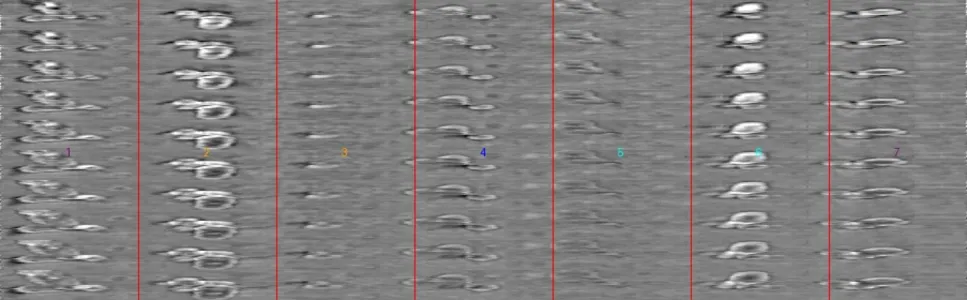
Figure 1: A visualization of the preprocessed image scans for a set of seven roots sewn together. The roots are shown by depth, and each number denotes a distinct root separated by the red margins.
How our model works
The proposed model integrates convolutional neural networks (CNNs) with a long short-term memory (LSTM) module to estimate cassava root volume from Ground Penetrating Radar (GPR) imagery. The architecture is designed to extract spatial features from individual radargram slices and capture depth- wise structural dependencies across image sequences from both lateral scan perspectives.
- Input Configuration: The complete input tensor organized as (2, 21, 128, 128), representing both views and all depth layers.
- CNN-Based Feature Extraction: A CNN processes each 2D radargram slice independently. The network first generates a 16-dimensional feature vector and then generates a 32- dimensional feature vector per slice from that.
- LSTM Sequence Modeling: The resulting feature sequences are passed through a LSTM network, a recurrent neural network for modeling sequential dependencies. In this context, the LSTM captures how root features evolve across soil depth, summarizing structural progression into a 64-dimensional vector per view.
- Feature Fusion: The encoded representations from the left and right views are concatenated to form a unified 128-dimensional vector per sample, providing a comprehensive embedding for regression.
- Fully Connected Regression Head: The fused feature vector is passed through a set of linear layers. The final output is a single scalar value corresponding to the predicted root volume. The model is optimized using the Root Mean Squared Error (RMSE) loss function.
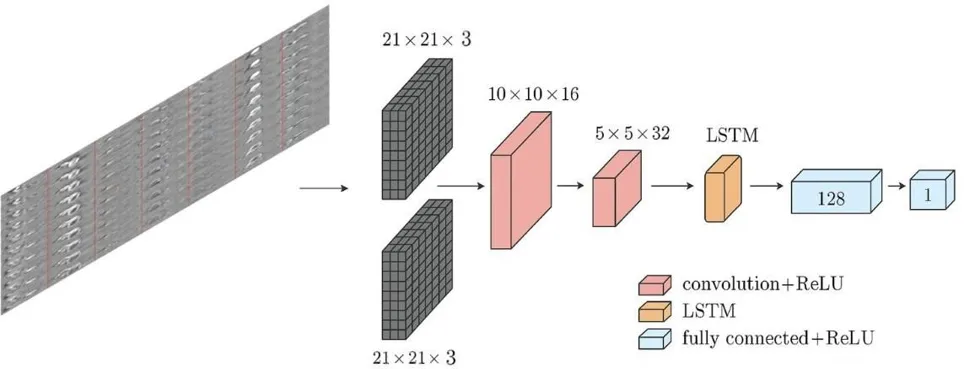
Figure 2: This shows the two convolution steps followed by feature fusion and the output by two linear layers inside the LSTM that gives the Root Volume Estimate
Model Performance and Evaluation
The model’s predictive accuracy was evaluated using Root Mean Squared Error (RMSE), a standard regression metric that penalizes larger errors more heavily. Our Validation RMSE is 0.131.
These findings suggest that the model can predict cassava root volumes within a typical deviation of ±0.1 liters from ground truth. This level of accuracy is acceptable for high-throughput phenotypic screening, experimental genotype evaluation, and yield estimation in cassava breeding and agronomic research. Moreover, the consistent distribution of residuals from the model across all test sets demonstrated repeatedly predictive behavior and supports the model as a candidate for practical, non-invasive analysis of cassava roots.
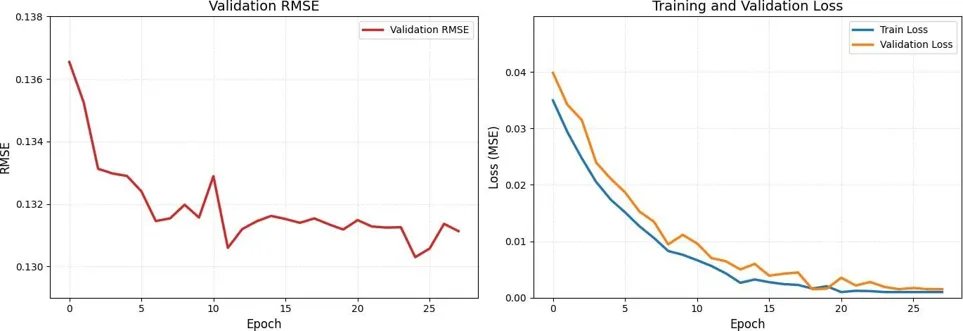
Figure 3: The performance of the model over 27 epochs
Addressing Gaps in Existing Literature
While prior models have achieved success in estimating biomass and water content for trees (Pinus pseudostrobus) and monocot crops like maize, their methodologies are not suited for below-ground, tuberous crops such as cassava. These approaches rely on canopy or spectral indicators, lack subsurface sensing, and fail to capture the lateral, irregular morphology of cassava roots.
Our proposed CNN–LSTM model resolution incorporates Ground Penetrating Radar (GPR) for non- invasive and direct subsurface imaging and consists of domain-specific preprocessing to improve the quality of the GPR signal, 2D CNNs to extract spatial features from the radargrams, and LSTM layers to learn the depth-wise continuous structure in the raw radar signal. Our machine learning model also employed metadata fusing and engineered descriptors (e.g. contour metrics, Hu moment) to enhance performance as well as for human readability/contextualization.
Unlike static, surface-focused models, our system processes bilateral radargram sequences, effectively approximating 3D root architecture. This multimodal, cassava-specific framework enables non- destructive root volume estimation across varying soil and field conditions, bridging the gap between automated analysis and biological complexity.
Observed Limitation in Existing Models | Our Model's Contribution |
No subsurface sensing or GPR usage | Incorporates direct radar imaging |
Not tailored to Cassava | Trained exclusively on Cassava root data |
Absence of feature-level interpretability | Uses handcrafted descriptors (contours metrics, Hu moments) |
No fusion of metadata and imaging features | Performs multimodel fusion with environment metadata |
Static 2D analysis | Processes bilateral radargram stacks to simulate 3D structure |
No modeling of structural continuity across depth | LSTM modules captures sequential depth-wise root progression |
Table 2: Comparison
This approach establishes a robust and scalable framework for precision phenotyping in cassava- producing regions, offering significant value for government researchers, breeding programs, and large-scale agricultural operations.
Key Strengths and Innovations of our model
- Cassava-Specific Design: The model takes into account the cassava-specific morphological aspects of its root system, namely, its lateral, irregular root form, utilizing radar reflections from distinct aspects of the root's structure below ground.
- True Subsurface Imaging: Adopting GPR for estimating buried root systems allows for true non-destructive below-ground sensing, unlike surface methodologies, especially for cassava, which has a shallow root system.
- Sequential-depth Modeling: The architecture of the CNN-LSTM model permits modeling both spatial patterns as well as allowing continuity in-depth, allowing accurate modeling of root forms and structures beneath the soil surface.
- Multimodal Feature Fusion: Integrates radargram data with engineered features (i.e., Hu moments, contour measures) and contextual meta-features (i.e., soil type, scan depth), allowing for enhanced generalization and image interpretation.
- Scalable for Research and Breeding: The architecture is optimized for application in government research stations and commercial scale cassava farms under high-throughput conditions, where non-invasive phenotyping is essential.
The range of frequencies utilized in GPR systems to image cassava root architectures is generally 400- 900 MHz. These frequencies can detect root architecture in grids between 5 cm to 50 cm apart. In terms of plot-level resolution imaging of the cassava root architecture, 0.5 × 0.5 m surveys are suggested. When selecting GPR systems for imaging root architecture, increasing MHz increases the resolution, whereas decreasing MHz will increase the total depth. Commercial GPR units such as the GSSI UtilityScan or IDS RIS One will typically range in price between $15,000-45,000 USD, based upon the number of features and types of features. For smallholder farmers, this cost might be prohibitively expensive, so there may be an opportunity for a cooperative or extension services to provide access to these systems. For research stations and large farmers, both speed and accuracy are unparalleled, and will allow depth-aware, non-destructive phenotyping on roots.
Future Directions for Research
While the proposed CNN–LSTM model offers a robust framework for non-invasive cassava root volume estimation, several avenues remain for further development, scale-up, and integration:
- Data Set Diversification and Expansion: A future avenue of work is to enhance generalizability through gathering radargram data for different soils, climates, and cassava genotypes (gather data sets from West Africa, Central Africa, and East Africa), and make predictions more generalizable and representative.
- Moisture Signal Decomposition: Soil moisture introduces noise into GPR reflections, obscuring fine root architectures. Future data-preprocessing pipelines will utilize a dielectric model, and soil-filtering methods to help decompose the root signal from moisture.
- Edge Device deployment: We will continue efforts to compress, and optimize the model for low-powered hardware platforms like drones, GPR field portable sensors, and phones in order to enable root analysis in real-time. This directly coincides with the development of smart farming tools and mobile phenotyping.
- Time Series root growth modelling: Our model currently can only predict the roots from only one time-point (static) from a single scan, by employing multiple time-point scans, we will be able to model the root dynamics during the entire growing season, enabling genotype assessment, early-bulking evaluation, and harvest preparedness.
- Transferability to other root-crops: In general, this pipeline can be transferred to other tuber crops, like yam or sweet potato, with proper retraining. Providing a generalizable framework for potato-based systems and underground phenotyping through agro-food systems.
Conclusion
Cassava is a critical component of food systems in Africa; however, the inability to noninvasively measure cassava's underground storage roots has long hampered efforts in breeding, resource planning, and national yield projections. Standard methods, while historically useful, are destructive and impractical for large-scale, rapid decision-making processes because of their labor-intensive nature. Similarly, previous AI-focused methodologies have only monitored surface traits or non-tuberous crops, leaving a substantial gap in the literature for root-focused and scalable solutions.
This study addresses that gap by providing a Cassava-specific framework that combines Ground- Penetrating Radar (GPR) with a CNN-LSTM deep learning model. The model accepts radargram sequences from lateral views, processes, and combines handcrafted descriptors and environmental metadata, and provides accurate and non-destructive root volume estimates as the first step in root phenotyping.
Such capabilities have wide-reaching implications. For government researchers and breeding programs, the model can accelerate the development of early-bulking, drought-resilient cassava varieties. For national agricultural agencies, it offers a tool to support yield forecasting, input allocation, and regional food security planning. And for Africa as a whole, it strengthens the capacity to sustainably manage one of its most critical crops.
References
- Adebayo, W. (2023). Cassava production in Africa: A panel analysis of the drivers and Trends. SSRN Electronic Journal. https://doi.org/10.2139/ssrn.4257538
- Khoroshevsky , F., Zhou, K., Edan, Y., Bar-Hillel , A., Hadar , O., Rewald , B., Baykalov , P., Ephrath, J. E., & Lazarovitch , N. (2024, January 12). Automatic root length estimation from images acquired in situ without segmentation. Plant phenomics (Washington, D.C.). https://doi.org/10.34133/plantphenomics.0132
- Wang, Y., Wang, J., Li, J., Wang, J., Xu, H., Liu, T., & Wang, J. (2025, March 20). Estimating Maize Leaf Water Content Using Machine Learning with Diverse Multispectral Image Features. MDPI. https://doi.org/10.3390/plants14060973
- Fariñas, M. D., Jimenez-Carretero, D., Sancho-Knapik, D., Peguero-Pina, J. J., Gil-Pelegrín, E., & Álvarez-Arenas, T. G. (2019, November 7). Instantaneous and non-destructive relative water content estimation from deep learning applied to resonant ultrasonic spectra of plant leaves - plant methods. BioMed Central. https://doi.org/10.1186/s13007-019-0511-z
- Antúnez, P., Wehenkel, C., Basave-Villalobos, E., Calixto-Valencia, C. G., Valenzuela Encinas, C., Ruiz-Aquino, F., & Sarmiento-Bustos, D. (2025). Predictive Modeling of Volume and Biomass in Pinus pseudostrobus Using Machine Learning and Allometric Approaches. Forest Science and Technology, Vol-21(1), 110–122. https://doi.org/10.1080/21580103.2025.2456295
- Venkatesh, G. V., Iqbal, S. Md., Gopal, A., & Ganesan, D. (2014). Estimation of volume and mass of axi-symmetric fruits using image processing technique. International Journal of Food Properties, Vol-18(3), 608–626. https://doi.org/10.1080/10942912.2013.831444
- Nyalala, I., Okinda, C., Kunjie, C., Korohou, T., Nyalala, L., & Chao, Q. (2021). Weight and volume estimation of poultry and products based on Computer Vision Systems: A Review. Poultry Science, Vol-100(5), 101072. https://doi.org/10.1016/j.psj.2021.101072
- Adebayo, W. (2023). Cassava production in Africa: A panel analysis of the drivers and Trends. SSRN Electronic Journal. https://doi.org/10.2139/ssrn.4257538
- Khoroshevsky , F., Zhou, K., Edan, Y., Bar-Hillel , A., Hadar , O., Rewald , B., Baykalov , P., https://doi.org/10.34133/plantphenomics.0132
- Ephrath, J. E., & Lazarovitch , N. (2024, January 12). Automatic root length estimation from images acquired in situ without segmentation. Plant phenomics (Washington, D.C.). https://pubmed.ncbi.nlm.nih.gov/38230354/ https://doi.org/10.34133/plantphenomics.0132
- Wang, Y., Wang, J., Li, J., Wang, J., Xu, H., Liu, T., & Wang, J. (2025, March 20). Estimating Maize Leaf Water Content Using Machine Learning with Diverse Multispectral Image Features. MDPI. https://www.mdpi.com/2223-7747/14/6/973
- Fariñas, M. D., Jimenez-Carretero, D., Sancho-Knapik, D., Peguero-Pina, J. J., Gil-Pelegrín, E., & Álvarez-Arenas, T. G. (2019, November 7). Instantaneous and non-destructive relative water content estimation from deep learning applied to resonant ultrasonic spectra of plant leaves plant methods. BioMed Central. https://plantmethods.biomedcentral.com/articles/10.1186/s13007-019-0511-z
- Antúnez, P., Wehenkel, C., Basave-Villalobos, E., Calixto-Valencia, C. G., Valenzuela- Encinas, C., Ruiz-Aquino, F., & Sarmiento-Bustos, D. (2025). Predictive Modeling of Volume and Biomass in Pinus pseudostrobus Using Machine Learning and Allometric Approaches. Forest Science and Technology, 21(1), 110–122. https://doi.org/10.1080/21580103.2025.2456295
- Venkatesh, G. V., Iqbal, S. Md., Gopal, A., & Ganesan, D. (2014). Estimation of volume and mass of axi-symmetric fruits using image processing technique. International Journal of Food Properties, 18(3), 608–626. https://doi.org/10.1080/10942912.2013.831444
- Nyalala, I., Okinda, C., Kunjie, C., Korohou, T., Nyalala, L., & Chao, Q. (2021). Weight and volume estimation of poultry and products based on Computer Vision Systems: A Review. Poultry Science, 100(5), 101072. https://doi.org/10.1016/j.psj.2021.101072
- Odedeyi, T., Rabbi, I., Poole, C., & Darwazeh, I. (2022). Estimation of starch content in cassava based on coefficient of reflection measurement. Frontiers in Food Science and Technology, 2. https://doi.org/10.3389/frfst.2022.878023
- Lertworasirikul, S., & Tipsuwan, Y. (2008). Moisture content and water activity prediction of semi-finished cassava crackers from drying process with artificial neural network. Journal of Food Engineering, 84(1), 65–74. https://doi.org/10.1016/j.jfoodeng.2007.04.019
- Banchajarurat, C., Saengprachatanarug, K., Damrongplasit, N., & Ratanasumawong, C. (2020). Volume estimation of cassava using consumer-grade RGB-D camera. E3S Web of Conferences, 187.https://doi.org/10.1051/e3sconf/202018702002
- FAOBiannual Food Outlook October 2015 https://www.slideshare.net/slideshow/fao- biannual-food-outlook-oct-2015/56266227
- World Food and Agriculture - Statistical Yearbook 2020. (2020). Statistical Yearbook. https://doi.org/10.4060/cb1329en
- Lantini, L., Alani, M. (A.), Giannakis, I., & Benedetto, A. (2020). Application of ground penetrating radar for mapping tree root system architecture and mass density of street trees. Advances in Transportation Studies, (3). https://www.researchgate.net/publication/341055291
- Liu, X., Dong, X., Xue, Q., Leskovar, D. I., Jifon, J., Butnor, J. R., & Marek, T. (2017). Ground penetrating radar (GPR) detects fine roots of agricultural crops in the field. Plant and Soil, 423(1–2), 517–531. https://doi.org/10.1007/s11104-017-3531-3
- Cui, X., Guo, L., Chen, J., Chen, X., & Zhu, X. (2013). Estimating tree-root biomass in different depths using ground-penetrating radar: Evidence from a controlled experiment. IEEE Transactions on Geoscience and Remote Sensing, 51(6), 3410–3423. https://doi.org/10.1109/tgrs.2012.2224351
- Almeida Rocha, A., Borges, W., Giannoccaro Von Huelsen, M., Ferreira Rodrigues de Oliveira e Sousa, F., Ramalho Maciel, S., de Almeida Rocha, J., & Baiocchi Jacobson, T. (2024). Imaging tree root systems using ground penetrating radar (GPR) data in Brazil. Frontiers in Earth Science, 12. https://doi.org/10.3389/feart.2024.1353572
- Delgado, M. N., French, A. P., Evans, J., Atkinson, J. A., & Pridmore, T. P. (2017). Ground penetrating radar detects the location and vertical distribution of cassava roots in the field. Plant Methods, 13(65), 1–10. https://doi.org/10.1186/s13007-017-0216-0
- Matema L.E. Imakumbili a, Ernest Semu a, Johnson M.R. Semoka a, Adebayo Abass b, Geoffrey Mkamilo (2021). Managing cassava growth on nutrient poor soils under different water stress conditions. https://www.sciencedirect.com/science/article/pii/S2405844021014341
- Otekunrin, O.A. Cassava (Manihot esculenta Crantz): a global scientific footprint—production, trade, and bibliometric insights. Discov Agric 2, 94 (2024). https://doi.org/10.1007/s44279- 024-00121-3
- Atanbori J., Elker M., Selvaraj M. G., French A. P., & Pridmore T. P. (2019). Convolutional Neural Net-Based Cassava Storage Root Counting Using Real and Synthetic Images. Frontiers in Plant Science, 10, 483185. https://doi.org/10.3389/fpls.2019.01516
- Velho L., & Velho P. (1997). The Emergence and Institutionalization of Agricultural Science, 14(2), 205–223. https://www.academia.edu/20774048/The_Emergence_and_Institutionalization_of_Agricultural_ Science
Figures
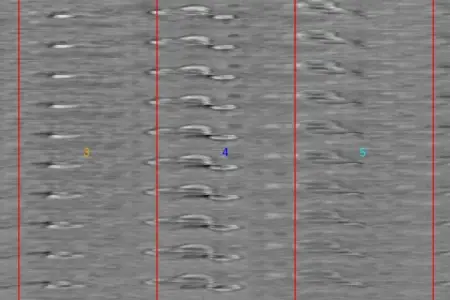
Figure 1: A visualization of the preprocessed image scans for a set of seven roots sewn together. The roots are shown by depth, and each number denotes a distinct root separated by the red margins.
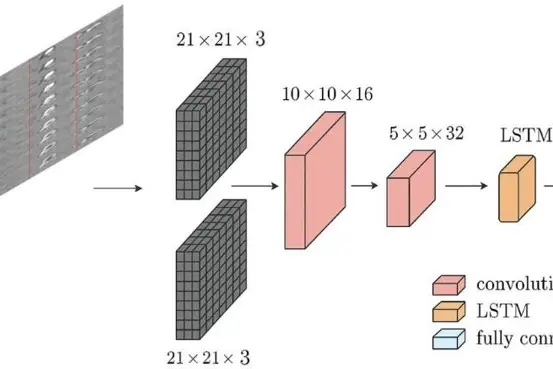
Figure 2: This shows the two convolution steps followed by feature fusion and the output by two linear layers inside the LSTM that gives the Root Volume Estimate
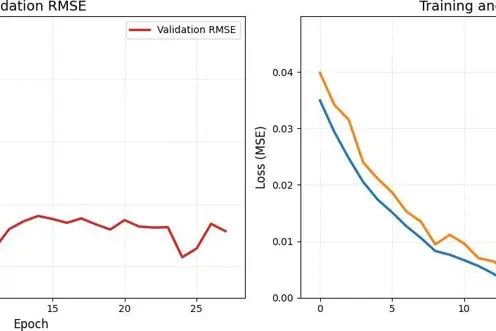
Figure 3: The performance of the model over 27 epochs