
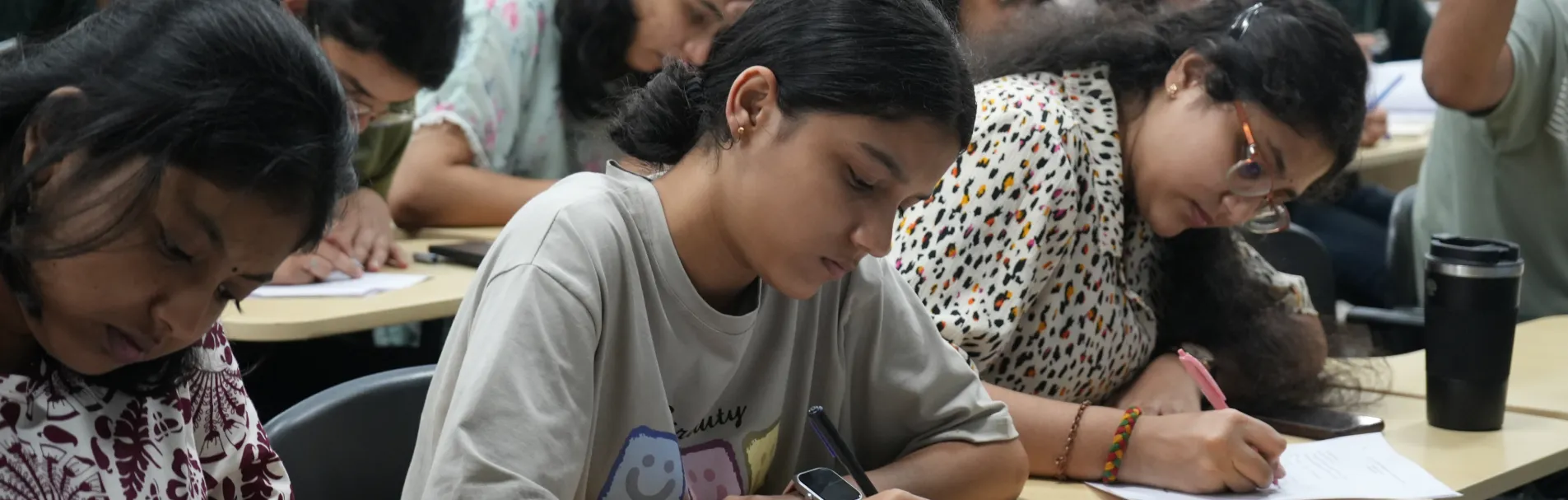
Academic Research Writing Course
The ARWC is a 7 weekend online program guiding students from a research question to a 2,000-word academic manuscript while building core academic and critical thinking skills. It also emphasizes communication skills for presenting ideas to academic, public, and digital audiences.
Apple here
Overview
The ARWC is a seven-week online program (Weekend Classes – Saturday and Sunday), research based learning course designed to introduce students to the foundations of research and academic inquiry. Throughout the program, students progress from an initial question or area of interest to the completion of a 2,000-word academic manuscript.
The course focuses on building foundational academic skills, reading, writing and critical thinking, essential for higher education and making research publication accessible from a young age.
Beyond research, the program emphasizes the development of strong communication skills, ensuring students can effectively present their ideas to academic, public, and digital audiences.
Learning Experiences
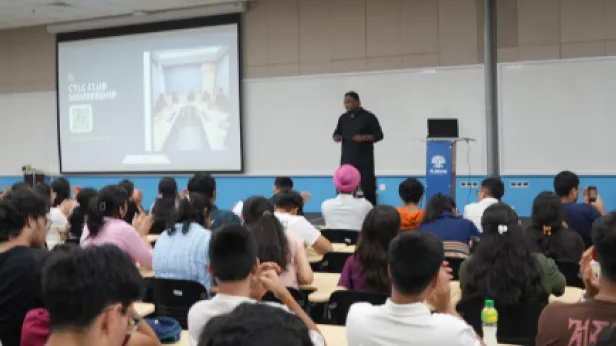
Hands on research experience
Engage directly in academic research. Learn how scholars identify questions, review literature, build arguments, and write with clarity and discipline.
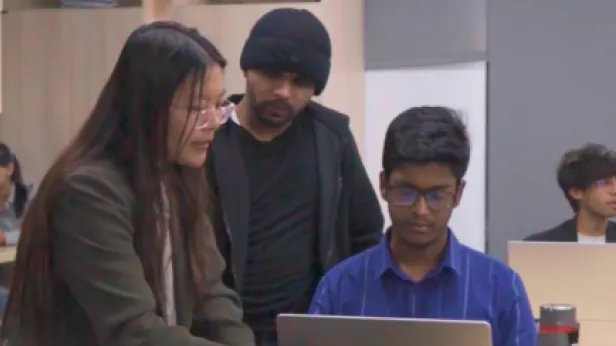
Expert mentorship through workshops and tutorials
Work closely with faculty and trained teaching fellows. In the workshops, students engaged with core research concepts and essential academic skills, building the theoretical foundation required for scholarly inquiry. In the tutorial sessions, students apply the concepts to their own research proe cts, translating theory into practice
through guided writing, feedback, and refinement.
Certificates and prizes
Upon successful completion of the program, all successful participants will receive a certificate from Plaksha University.
Learning Outcomes

Producing a 2000-word research manuscript
Students will develop a structured 2000-word academic research manuscript that demonstrates their ability to frame a meaningful problem, conduct systematic inquiry, synthesise credible sources, and propose evidence-based solutions. The script will
reflect academic rigour, clarity of argument, and adherence to research writing conventions introduced during the program.

Oral pitch/Virtual presentation of the solution
Students will deliver a concise and structured oral presentation of their research problem, methodology, and proposed solution at the end of the program. This component focuses on designing and delivering a presentation with clarity, logical
organisation of material, and persuasive articulation.
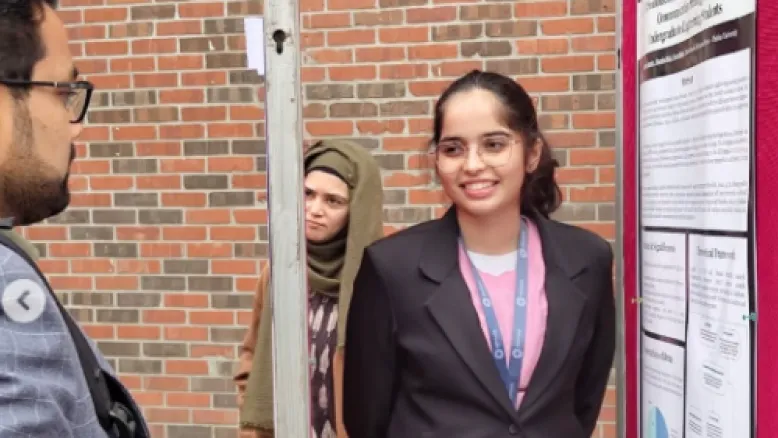
Earn recognition and build a lasting academic credential
Stand out through academic excellence and earn special recognition for outstanding papers, along with exciting prizes. Every participant will receive a valuable academic credential that strengthens college applications and supports future educational and career opportunities.
Learning Journey
Overview
The course is designed as a structured and progressive learning journey that guides students from understanding the foundations of research to producing and presenting a complete academic manuscript. Each module builds conceptually and skill-wise upon the previous one, ensuring that the students can progress from curiosity to clarity and from ideas to articulated research outcomes.
Module 1 - Ontology of research
Students explore what research is, why it matters, and how knowledge is constructed. This module builds conceptual clarity about inquiry, problems, and the nature of academic investigation.
Module output:
- Identify problem statement
- Theme
- Significance of the problem statement
Module 2 - Academicality and academic reading
This module introduces the Six Skills of Academicality, equipping students with the intellectual habits required for scholarly engagement. Students practice Cursory Reading for Research and Committed Reading, which emphasizes deep, analytical engagement with arguments, evidence, structure, and authorial intent—building the foundation for critical thinking and informed academic writing.
Module output:
- Locate the discipline of study
- Thematic
- Bibliography
- Annotated article
Module 3 - Academic writing
This module focuses on building strong writing foundations through constructing clear sentences and coherent paragraphs. Students learn Representational Writing and practice Dialectical Writing to develop balanced, reasoned, and argumentative academic discourse.
Module output:
- Representational paragraph
- Paragraph on thematic
- Dialectical paragraph
Module 4 - Literature review and crafting research question
This module guides students through the process of conducting a structured literature review. They examine historical discourse, engage with contemporary debates, and learn to identify gaps in existing scholarship in order to formulate a clear research question.
Module output:
- Historical discourse
- Contemporary debate
- Gap and research question
Module 5 - Articulating voice and argument
This module enables students to move from an initial hunch to a clearly framed hypothesis and ultimately to a well-articulated academic argument. The module also introduces a concise understanding of methodology through the lens of “Hands and Eyes,” distinguishing between observation and application in research design, and emphasizes the systematic collection and integration of supporting evidence.
Module output:
- Section on argumentation
Module 6 - Writing research manuscript
Students learn the formal structure of a research manuscript, engage in critical reading to refine coherence and depth, and review principles of academic integrity, including plagiarism awareness and ethical citation practices.
Module output:
- Writing first draft (2000-word research manuscript)
Admission Process
Register
Sign up and Register
Submit Application
Fill and upload your application
Personal Interview
Meet for quick online interaction
Faculty
Prof Brainerd Prince is an Associate Professor and Director of the Centre for Thinking, Language and Communication (CTLC) at Plaksha University. He is a scholar of philosophy, religion, and research methodology. He completed his PhD at the Oxford Centre for Mission Studies (OCMS), Middlesex University, London. In addition to his academic work, Prof Prince is a writer, poet, and educator with a deep interest in interdisciplinary learning, communication, and social engagement, and is currently working on his forthcoming book, The Philosophy and Design of Research (Springer Nature). His published works include Mearcstapa (Rupa, 2025) and The Integral Philosophy of Aurobindo: Hermeneutics and the Study of Religion (Routledge, 2017).
Testimonials
Hear from our students about their experiences in the program.
Fee Details
Program fee for the year 2026: ₹55,000 + GST
Dates to Remember
Frequently Asked Questions
The Academic Research Writing Course (ARWC) is open to students from Class 9-12. The course builds foundational academic skills, reading, writing, and critical thinking abilities, and gives students the chance to produce a publishable academic manuscript while still in school.
ARWC covers six structured modules:
- Ontology of Research — exploring what research is and how knowledge is constructed.
- Academicality and Academic Reading — covering the Six Skills of Academicality, Cursory Reading, and Committed Reading.
- Academic Writing — building strong writing foundations through Representational Writing and Dialectical Writing, developing balanced, reasoned academic discourse.
- Literature Review and Research Question Formulation — examining historical discourse and contemporary debates in a field to identify gaps in existing scholarship and formulate a clear research question.
- Articulating Voice and Argument — moving from an initial hunch to a clear hypothesis and argument, using the Hands and Eyes framework to distinguish firsthand research from reviewing existing evidence.
- Writing the Research Manuscript — training in academic integrity, plagiarism awareness, and ethical citation.
ARWC runs for seven weeks. In 2026, the course will be delivered online from Sep 19 to Nov 1.
Yes. Every student who completes the ARWC receives a certificate from Plaksha University. Students who produce outstanding papers also earn special recognition.
Students build two core reading skills: Cursory Reading, a quick first pass to get the gist of a source, and Committed Reading, a close, critical read that examines a text's arguments, evidence, and intent. From there, the course moves step by step: reviewing existing research, building an argument, choosing a methodology, and writing the final manuscript.
Faculty and trained teaching fellows guide students through workshops and one-on-one tutorials.