
Mentorship
Plaksha Undergraduate Mentorship in Action (PUMA)
Plaksha Undergraduate Mentorship in Action (PUMA) is a structured mentorship system for undergraduate students. It makes sure every student has access to academic guidance, peer support, career direction, and wellbeing support throughout their time at Plaksha.
Overview of PUMA framework
The idea with PUMA is that students should have access to different types of support to help them navigate through these needs. Based on their mentoring needs, the following types of mentorship are included as part of the PUMA framework:
The Faculty Mentor advises students on academic matters and supports their overall development at Plaksha. This includes guidance on course choices, electives, academic decision-making, course drops, overloads, summer term registration, projects, internships, academic performance, and related matters. The Faculty Mentor works in consultation with the Office of Academic Affairs, Student Life, and other designated University offices, and directs students to the appropriate source of information or authority when necessary.
The Faculty Mentor also helps students identify strengths, interests, developmental needs, and areas of potential excellence so that academic and career choices may be better informed. In addition, the Faculty Mentor supports student wellbeing by maintaining awareness of social, emotional, and academic concerns and by collaborating with the Student Wellbeing Committee or other authorized offices where appropriate.
Peer Mentors are trained senior students who help first-year students adjust to university life, develop a sense of belonging, and navigate campus systems. Peer Mentors provide practical guidance and encouragement, while referring serious academic, wellbeing, residential, or conduct concerns to appropriate support systems. While formal peer mentoring responsibilities conclude after the first year, COPE members continue to contribute to student wellbeing and community support during their second and third years. Their role shifts from assigned mentoring to broader responsibilities such as promoting wellbeing, supporting peers, recognising signs of distress, and helping students connect with appropriate campus resources when needed.
The Career Mentorship Program at Plaksha University is designed to help students bridge the gap between academia and industry. It supports students in becoming industry-ready by the time they enter the professional world. The program offers students an opportunity to be guided by experienced leaders during critical stages of academic and professional development.
Career Mentors support student development in areas such as career-related decision-making, problem-solving, professional communication, industry awareness, career planning, and navigating complex professional environments.
Career Mentorship program
- The program normally begins when students enter their fifth semester and continues until graduation.
- The program includes distinguished leaders such as founders, senior executives, and industry professionals.
- Each Career Mentor is paired with a small group of students, normally based on registration, areas, availability, and program design.
Counselling Outreach and Peer Empowerment (COPE)
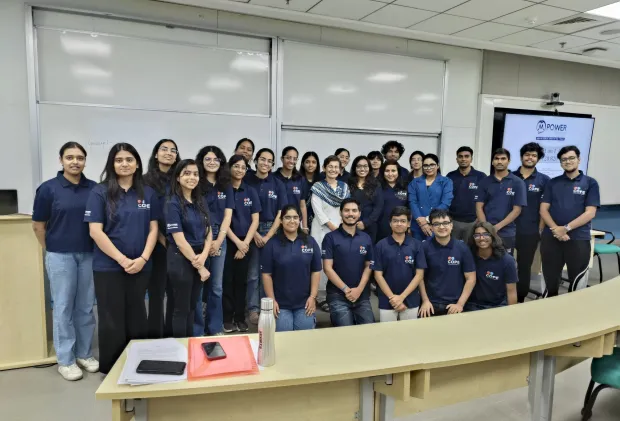
COPE serves as Plaksha's peer support initiative and acts as a bridge between students and professional wellbeing services.
COPE is built on the belief of showing up before the visible struggle, to notice, to ask, and to walk alongside. Not to fix or lecture, so that at Plaksha, no one has to figure it out alone.
Role of COPE Members
- COPE Members are trained peer supporters equipped to offer meaningful, everyday support.
- They serve as a first point of informal support for students who need someone to talk to.
- They act as active listeners and wellbeing advocates across the community.
- They provide referral support, connecting students to professional help when needed.
- They offer orientation support to help incoming students settle in with confidence.
- They run mental health awareness campaigns that keep wellbeing visible and normalised.