

Academic Research Writing Course (Online edition)
The ARWC is a seven-week online program running over weekends (Saturday and Sunday), designed to introduce students to the foundations of research and academic inquiry through research-based learning. Throughout the program, students progress from an initial question or area of interest to the completion of a 2,000-word academic manuscript.
The course focuses on building foundational academic skills, reading, writing and critical thinking, essential for higher education and making research publication accessible from a young age.
Program dates: Sep 19, 2026 - Nov 1, 2026
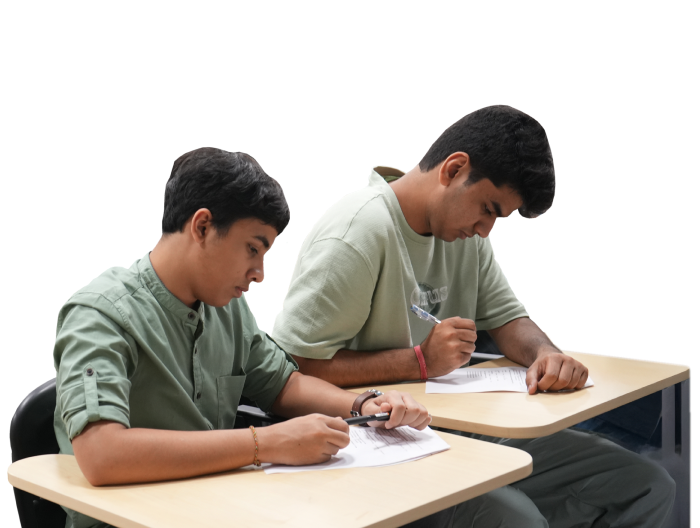
Learning experiences
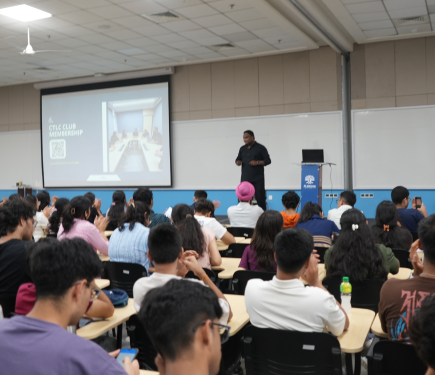
Expert mentorship through workshops and tutorials
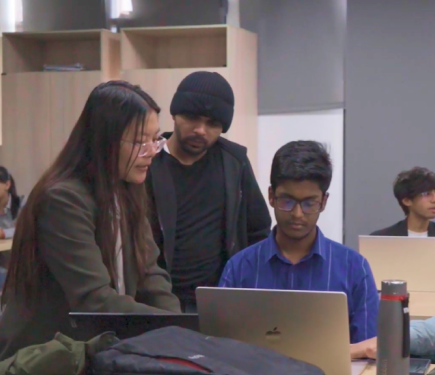
Work closely with faculty and trained teaching fellows. In the workshops, students engaged with core research concepts and essential academic skills, building the theoretical foundation required for scholarly inquiry. In the tutorial sessions, students apply the concepts to their own research projects, translating theory into practice through guided writing, feedback, and refinement.
Certificates and prizes
Upon successfull completion of the program, all successful participants will receive a certificate from Plaksha University.
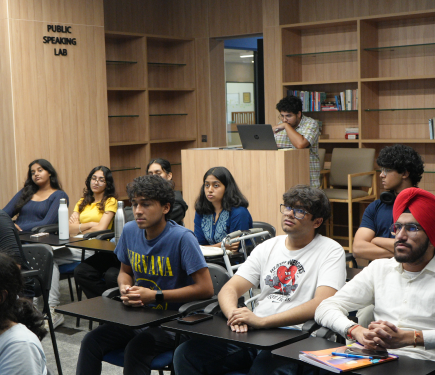
Learning outcomes

Producing a 2000-word research manuscript
Students will develop a structured 2000-word academic research manuscript that demonstrates their ability to frame a meaningful problem, conduct systematic inquiry, synthesise credible sources, and propose evidence-based solutions. The script will reflect academic rigour, clarity of argument, and adherence to research writing conventions introduced during the program.

Oral pitch/Virtual presentation of the solution
Students will deliver a concise and structured oral presentation of their research problem, methodology, and proposed solution at the end of the program. This component focuses on designing and delivering a presentation with clarity, logical organisation of material, persuasive articulation.
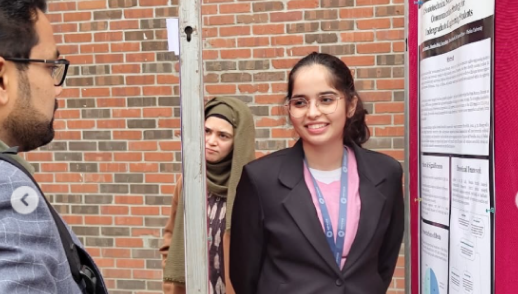
Earn recognition & build a lasting academic credential
Stand out through academic excellence and earn special recognition for outstanding papers, along with exciting prizes. Every participant will receive a valuable academic credential that strengthens college applications and supports future educational and career opportunities.
Learning Journey
The course is designed as a structured and progressive learning journey that guides students from understanding the foundations of research to producing and presenting a complete academic manuscript. Each module builds conceptually and skill-wise upon the previous one, ensuring that the students can progress from curiosity to clarity and from ideas to articulated research outcomes.
Students explore what research is, why it matters, and how knowledge is constructed. This module builds conceptual clarity about inquiry, problems, and the nature of academic investigation.
Module output:
(a) Identify problem statement
(b) Theme
(c) Significance of the problem statement
This module introduces the Six Skills of Academicality, equipping students with the intellectual habits required for scholarly engagement. Students practice Cursory Reading for Research and Committed Reading, which emphasizes deep, analytical engagement with arguments, evidence, structure, and authorial intent—building the foundation for critical thinking and informed academic writing.
Module output:
(a) Locate the discipline of study
(b) Thematic
(c) Bibliography
(d) Annotated article
This module focuses on building strong writing foundations through constructing clear sentences and coherent paragraphs. Students learn Representational Writing and practice Dialectical Writing to develop balanced, reasoned, and argumentative academic discourse.
Module output:
(a) Representational paragraph
(b) Paragraph on thematic
(c) Dialectical paragraph
This module guides students through the process of conducting a structured literature review. They examine the historical discourse, engage with contemporary debates, and learn to identify gaps in existing scholarship in order to formulate a clear research question.
Module output:
(a) Historical discourse
(b) Contemporary debate
(c) Gap and research question
This module enables students to move from an initial hunch to a clearly framed hypothesis and ultimately to a well-articulated academic argument. The module also introduces a concise understanding of methodology through the lens of “Hands and Eyes,” distinguishing between observation and application in research design, and emphasizes the systematic collection and integration of supporting evidence.
Module output:
Section on argumentation
Students learn the formal structure of a research manuscript, engage in critical reading to refine coherence and depth, and review principles of academic integrity, including plagiarism awareness and ethical citation practices.
Module output:
Writing first draft (2000-word research manuscript)
Admission process
Sign up & Register
Fill & upload your application
Meet for quick online interaction
Join us for the summer program
Faculty

The lectures provide solid conceptual clarity, while the tutorial sessions stand out for their personalized mentorship and detailed feedback. This course is highly recommended for students interested in research and academia, as it emphasizes that curiosity and consistency matter far more than prior experience.
Ananta Agrawal | Class 11 | Welham Girls School | Dehradun | 2026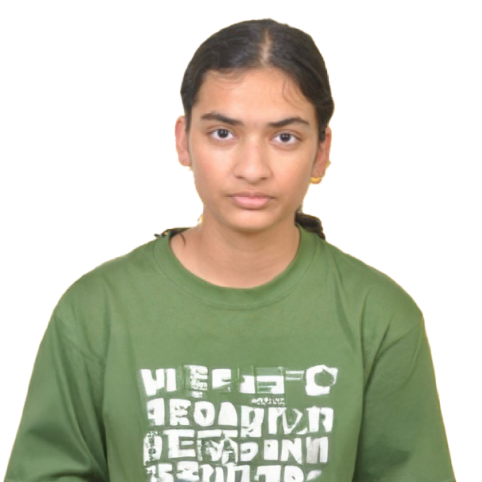
ARWC is a unique opportunity for high school students to explore real academic research beyond textbooks and exams. With expert-led lectures and mentorship, you build your own research paper step by step in a structured environment. It is challenging yet rewarding for those who want to think critically and stand out.
Gaurika Mehta | Class 9 | The Shriram Millennium School | Noida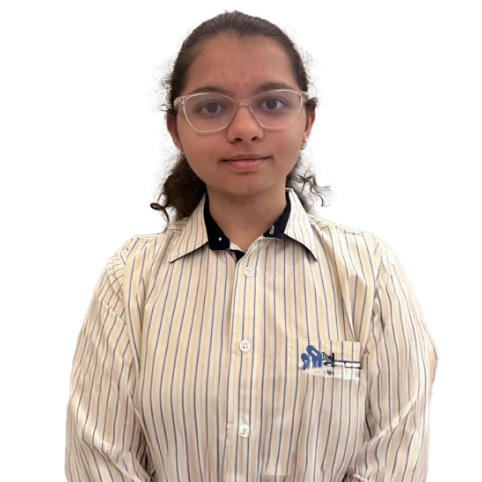
ARWC is more than a writing course; it is a transformative journey that helps you think like a real researcher from day one. Through dynamic lectures and close mentorship in small groups, you craft a research paper step by step. If you are ready to push beyond the classroom and create meaningful work, start here.
Chitrangada Singh | Class 8 | Heritage Xperiential Learning School | Noida | 2026
This course helped me understand how to turn ideas into a structured academic paper through expert lectures and close mentorship. It strengthened my research and writing skills and gave me confidence for future academic work. I strongly recommend it to students interested in pursuing research.
Srikar Chennareddy | Class 11 | The International School | Bengaluru |2026
Fee details
Program fee for the year 2026: ₹25,000 + GST


Hands-on research experience
Engage directly in academic research. Learn how scholars identify questions, review literature, build arguments, and write with clarity and discipline.